Author name: rizwannaved97

High-Quality Streetwear Garments tracksuit set with premium fabric finish
Uncategorized

How to Spot High-Quality Streetwear Garments (Buyer’s Checklist)

When a sample lands on your desk, you have one chance to catch problems before they are repeated across hundreds of pieces. Knowing how to judge high-quality streetwear garments is a core skill for any brand owner. This checklist walks through what to inspect on a sample: fabric weight, stitching, seams, fit, prints, trims and finishing. Use it on your own samples, on competitor pieces you buy for reference, and on bulk production before you accept a shipment. Functional cargo pants built for style and utility in street fashion. Before you start: what you need on the table A fair inspection needs a reference point. Have these ready before you open the sample bag: Fabric checklist for high-quality streetwear garments Fabric is the first thing customers feel and the main thing that decides how a piece ages. Weight and GSM GSM (grams per square meter) measures fabric weight. Heavier fabric usually feels more substantial and holds its shape better, which is why premium streetwear often uses heavyweight jersey for tees and thick fleece for hoodies. Check that the GSM on the sample matches what you specified. If you ordered a heavyweight hoodie and the body feels thin, ask for the fabric spec to be confirmed before bulk. Hand feel and surface Shrinkage and color Wash and dry the sample the way a customer would, then measure it again. Compare body length, chest width and sleeve length with the pre-wash figures. Check that the color has not faded or bled, especially on dark or garment-dyed pieces. Statement graphic tee crafted for trendsetters and streetwear lovers. Stitching and seam checklist Construction is where cheap garments show themselves first, and where high-quality streetwear garments stand apart. Fit and measurement checklist Streetwear fits are often oversized, boxy or cropped, but they should still be intentional. Print and decoration checklist Graphics are often the reason a customer buys a streetwear piece, so they must survive real use. If you are still choosing techniques, our printing and embroidery services page explains the options. Modern oversized hoodie designed for comfort and bold streetwear expression. Trims, labels and finishing checklist On high-quality streetwear garments, small details are what make a garment feel like a brand rather than a blank. Final sample sign-off checklist Run through this short list before you approve a sample for bulk: Keep the approved sample. It becomes the reference for checking bulk, so you can compare production pieces against something physical, not just a memory. How this applies to bulk production The same checklist works for bulk. Pull pieces from different sizes and colors and check them against your approved sample. At Hussi Sports, garments go through quality checks during bulk production before they are packed and shipped by tracked DHL or FedEx, and samples are ready in 7-10 days so you have time to inspect properly before committing. If you are planning custom hoodies and sweatshirts or tees, build this checklist into your approval process from the first sample. Frequently asked questions What GSM counts as heavyweight for streetwear? There is no single standard, but heavyweight tees are generally thicker and heavier than basic fashion tees, and heavyweight hoodies use thick fleece or French terry. What matters is that the sample matches the GSM in your tech pack. Should I wash-test every sample? Yes. Washing shows shrinkage, color loss and print or embroidery problems that you cannot see on a new garment. Wash at least once the way your customers will. What is the most common problem on first samples? Fit and measurement differences are very common on first samples, along with print placement. That is why measuring against your size chart is part of every sample review. How many samples should I expect before bulk? It depends on how complete your tech pack is. A clear tech pack with measurements, fabric spec and artwork usually means fewer rounds of changes. Work with Hussi Sports Ready to make your own collection? Hussi Sports manufactures custom hoodies and sweatshirts, custom tracksuits and custom T-shirts to your design in our Sialkot factory, with full printing and embroidery services and your own labels. Get a free quote and we will reply within 24 hours. Quantities start from 50 pieces per style.
Manufacturing Custom of Streetwear is an Art process showing fabric selection and design creativity
Uncategorized

Manufacturing Custom of Streetwear is an Art of Bringing Creative Concepts to Life Through Clothing

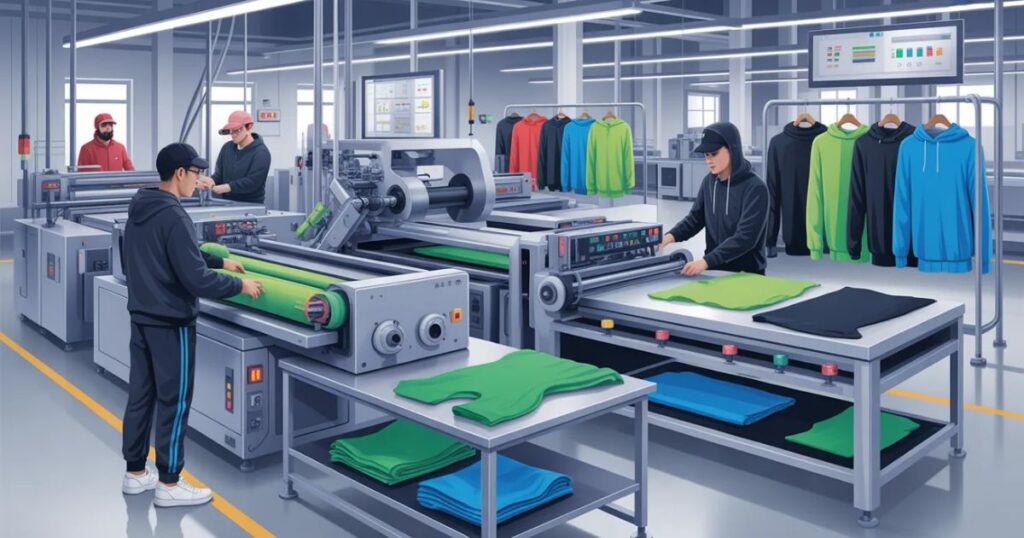
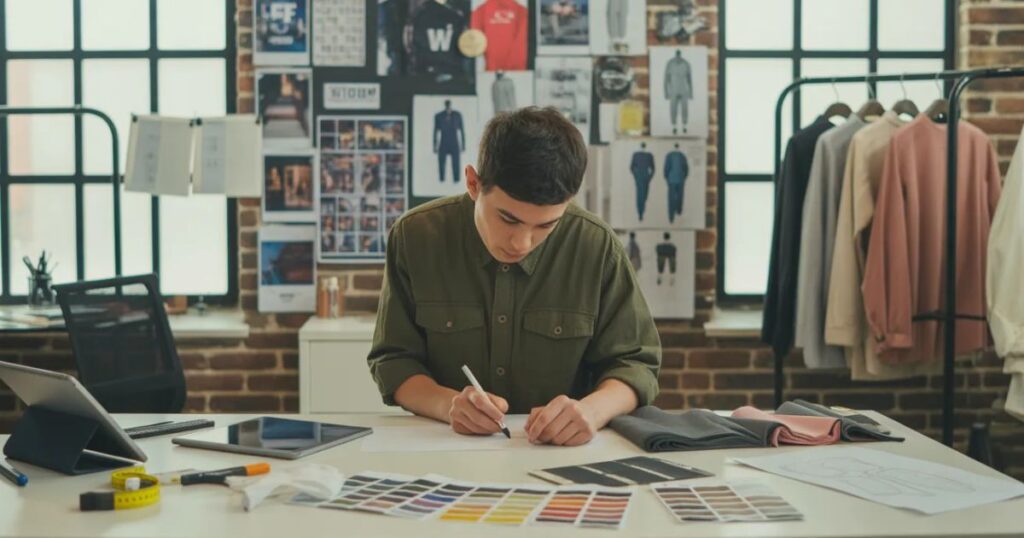
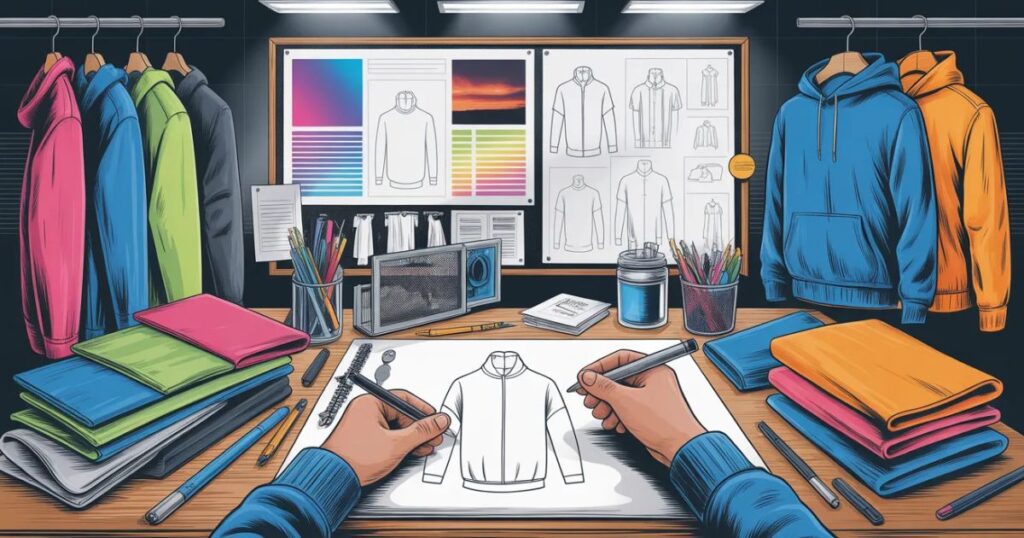
Every custom streetwear piece starts as an idea and ends as a finished garment in a box. What happens in between decides whether your drop looks the way you imagined. This guide explains custom streetwear manufacturing step by step, from design and tech pack to sampling, bulk production, decoration, quality control and delivery, so you know what to prepare and what to expect at each stage. Hussi Sports is a custom clothing manufacturer in Sialkot, Pakistan. We make hoodies, tracksuits, T-shirts, jackets, women’s activewear and accessories for brands in the USA, UK, Canada, Europe and Australia. The process below is the one we follow with every order. Printing and embroidery bring custom streetwear manufacturing to life. Step 1: Design and concept Production starts with a clear design. At this stage you decide: You do not need to be a professional designer, but the clearer your references, the fewer changes you will need later. Photos of garments you like, sketches and mockups all help. Step 2: The tech pack A tech pack is the instruction manual for your garment. It turns your design into something a factory can produce accurately. A good tech pack includes: If you do not have a full tech pack, you can still start with reference images and a description. We review what you send and reply to quote requests within 24 hours. Step 3: Fabric and materials Fabric decides how a garment feels, fits and lasts. In custom streetwear manufacturing, the most common choices are: Trims are chosen at the same time: zips, zip pullers, buttons, snaps, studs, drawcords and woven or printed labels. Matching trims to your brand is one of the easiest ways to make a garment feel premium. Attention to detail defines every step of custom streetwear manufacturing. Step 4: Sampling Before any bulk order, a physical sample is made from your tech pack. Samples take 7-10 days. The sample is your chance to check: Try it on, wash it, and measure it. If something needs changing, write it down clearly with photos and send it back. Once you approve the sample, it becomes the reference for the whole production run. Step 5: Bulk production When the sample is approved and the order is confirmed, bulk production begins. Quantities start from 50 pieces per style, so smaller brands can launch without huge stock. Cutting Fabric is laid out in layers and cut to the pattern for each size. Accurate cutting keeps sizes consistent across the run. Sewing and assembly Panels are sewn together on specialized machines: overlock for seams, coverstitch for hems, flatlock where comfort matters. Pockets, hoods, cuffs, zips and labels are attached at this stage. Cut and sew production lets you control every panel, which is how unique silhouettes and color-blocked designs are made. Decoration Depending on the design, decoration happens on cut panels before sewing or on the finished garment. Common methods include: You can see the full list on our services page. Washes and finishes Some streetwear looks come from finishing after sewing. Acid wash, sun-faded and distressed finishes give a worn, vintage character, and every piece needs to be checked so the effect is consistent across the order. The final product reflects the art of custom streetwear manufacturing. Step 6: Quality control in custom streetwear manufacturing Quality checks happen during production, not only at the end. Typical checks include: Garments that fail are repaired or replaced before packing. The goal is simple: every piece in the box should match the sample you approved. Step 7: Labeling, packaging and delivery The last stage is what turns garments into a branded product: Finished orders are packed and shipped by tracked DHL or FedEx to the USA, UK, Canada, Europe and Australia, so you can follow your shipment until it arrives. Common mistakes to avoid Most delays and disappointments in production come from a handful of avoidable problems: How to prepare for a smooth production run A few habits make custom streetwear manufacturing faster and more predictable: When you are ready to start, send your designs through our quote form and we will reply within 24 hours. Frequently asked questions What is the minimum order for custom streetwear? Quantities start from 50 pieces per style. The quote form has options for 50-100, 100-300, 300-500 and 500+ pieces. Do I need a tech pack to start? A tech pack makes production more accurate, but you can start with reference photos, sketches and a description. The details can be confirmed before sampling. How long does sampling take? Physical samples are ready in 7-10 days. Bulk timing depends on quantity and decoration and is confirmed with your quote. Can I use different decoration methods on one garment? Yes. Many streetwear pieces combine methods, for example a screen print on the front, embroidery on the chest and a woven label on the hem. The tech pack should show each method and position. Which countries do you ship to? We ship by tracked DHL or FedEx to the USA, UK, Canada, Europe and Australia. Work with Hussi Sports Ready to make your own collection? Hussi Sports manufactures custom hoodies and sweatshirts, custom tracksuits and custom jackets to your design in our Sialkot factory, with full printing and embroidery services and your own labels. Get a free quote and we will reply within 24 hours. Quantities start from 50 pieces per style.
Sizing Guide Chart for men and women clothing size reference
Uncategorized

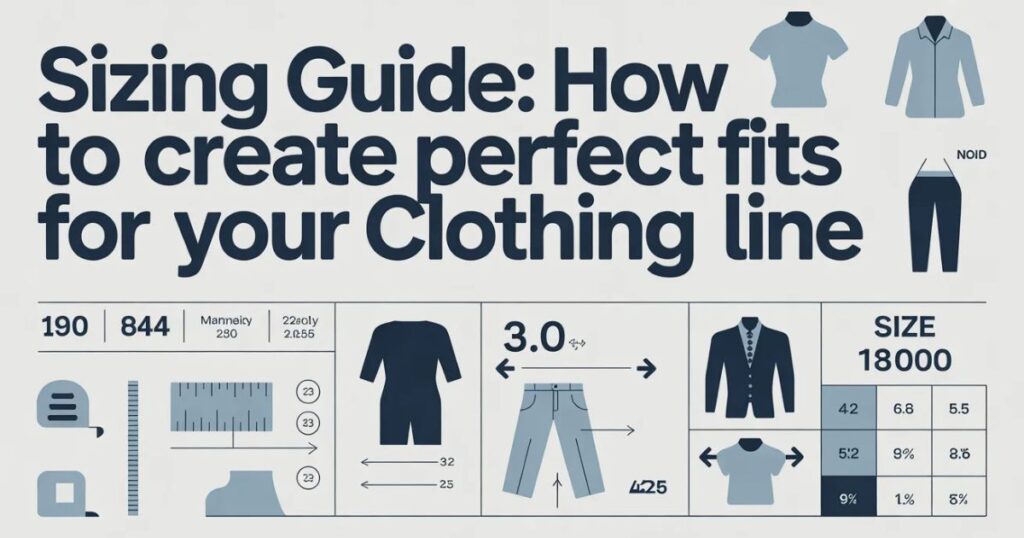
Sizing Guide: How to Create Perfect Fits for Your Clothing Line

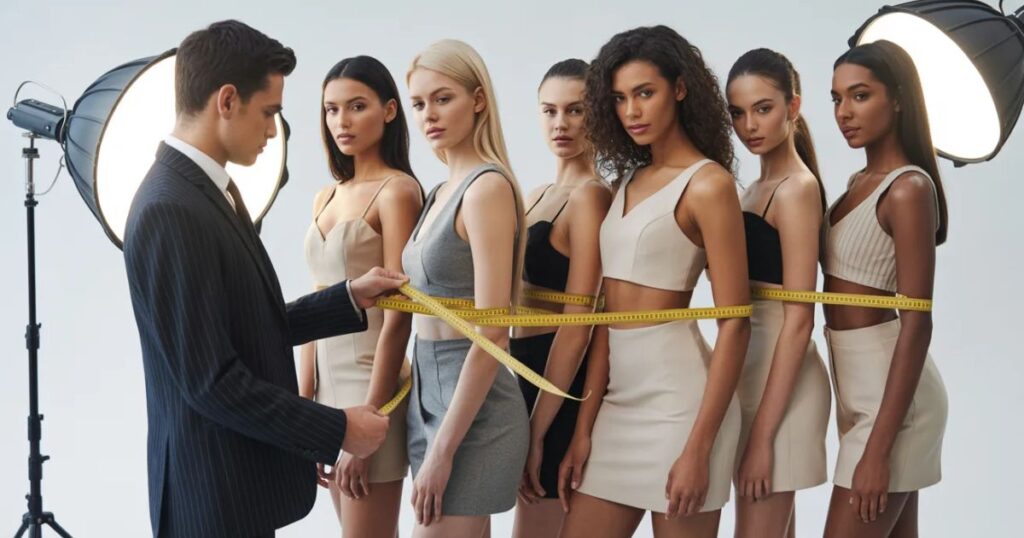
Fashion and sportswear design teams use fit measurement research to create products that meet both design requirements and business needs. Customer satisfaction, brand loyalty, and overall business success depend on how clothing brands establish their sizes. We understand that manufacturing is not only about producing garments but about engineering precision, comfort, and consistency into every piece. Hussisport operates as a manufacturing company that sells products worldwide while delivering high-quality production services through precise size-measurement systems that assist its clients in achieving success in their respective markets. When customers purchase apparel, especially sportswear, they expect performance, flexibility, and comfort. The way a person puts on a tracksuit will determine their ability to move, self-assurance, and athletic results. A clothing line needs to establish a reliable sizing guide system because it serves as its primary method for achieving professional development and international market entry. The Importance of Accurate Sizing in Manufacturing All garment production processes depend on sizing as their fundamental component. The entire manufacturing process uses measurements that start with the initial pattern development and continue until the final bulk production stage. The complete production process will fail when sizing measurements show both inconsistencies and inaccuracies. The production process leads to fabric waste because new samples need to be created, and clients lose their trust.  We consider sizing to be a scientific discipline. The manufacturing team develops measurement charts to ensure accurate results across different production levels. Brands experience reduced return rates through accurate sizing, which results in higher profit margins. Online retailers need to provide detailed size charts because customers do not have the option to try on clothing prior to making their purchase. The manufacturing partner needs clear customer size validation requirements before they can begin production. Understanding Target Markets Before Production The process of creating perfect fits begins with customer base analysis. Body proportions depend on regional differences, age groups, and current market trends. European sportswear brands need different measurement standards than South Asian or North American markets. Hussisport collaborates with clients to analyze their customer demographics and create customized sizing systems. Our team helps brands create their own regional size systems instead of using standard global size charts. The custom solution enables users to experience their clothing as if it were their own skin. Businesses achieve better customer satisfaction through Hussisport business operations that match market requirements because this leads to stronger market advantages for their brand. Developing a Base Size and Professional Grading Professional garment manufacturing starts its production process from a base sample size, which is typically set at Medium. All other sizes are based on the base size, which serves as the main reference point. The base size serves as the foundation that designers use to create Small and Large and extended-size patterns. The grading process guarantees that all shoulder widths and chest sizes, sleeve lengths, and garment patterns remain in proper proportions. The grading process at Hussisports operates with precise technical standards. The industry standard determines all size changes that maintain correct proportions for all sizes. This process prevents two common problems, which involve tight armholes for larger sizes and long lengths for smaller sizes. The grading system maintains design consistency throughout different sizes because it follows a structured system. The logical system requires measurement data for chest, waist, hips, and garment length to be displayed in a specific manner. Hussisports provides professional size charts to clients, which they can use for direct e-commerce platform integration. Clear sizing information reduces confusion for customers and minimizes product returns. The marketing benefits of this clarity help brands that want to increase their online sales. When customers feel confident in their size selection process, they will complete their purchases without any doubts.  Customization and Private Label Opportunities Brands in the fashion industry today want to create distinct identities. Hussisports provides customized sizing solutions that brands can use to develop their unique identity. The manufacturing team modifies patterns based on the client’s preference for either a slim athletic fit or a relaxed performance cut. Private labeling services help brands achieve exclusivity while their production processes maintain high standards of quality. Hussisports allows clothing brands to access professional manufacturing knowledge, together with flexible options for product customization. This enables both starting and established brands to produce high-quality clothing that meets their requirements and matches their brand identity. Manufacturing Operations Support Sales Goals Hussisport operates as a manufacturing company that provides essential support to clients who need to achieve their sales targets. A perfect fit creates a direct link to repeat purchases, which leads to positive customer reviews. Customers who trust a brand’s size measurements will recommend the brand to their friends. The company experiences organic growth, which results in increased sales. The company gains market advantages through its ability to produce goods on time while using standard-sized measurements and creating products with strong stitching. The company uses advanced manufacturing equipment together with its expert artisans to create professional-grade products that meet industry requirements. Our precision work enables businesses to expand their operations without sacrificing their product excellence. The Long-Term Value of a Strong Sizing Guide Strategy A sizing guide that has been developed with precision functions as both a technical document and a strategic business investment. The system establishes brand credibility, which enhances customer loyalty and reduces operational expenses linked to product returns and size modification problems. For sportswear and activewear brands accurate fit becomes essential because performance depends on user comfort and movement abilities. Conclusion  The company believes that successful brands achieve success through their ability to deliver dependable performance. Our company provides businesses with consistent size delivery together with premium materials and efficient bulk manufacturing processes to support their sales objectives while maintaining high quality standards. Our company creates professional apparel that maintains durability through our expertise in garment manufacturing. The process of developing ideal clothing sizes for a fashion collection demands specific design strategies, technical skills, and manufacturing knowledge. The process requires meticulous attention to every step, which includes understanding target markets, grading patterns,

Sneaker and Streetwear Culture street style outfit with oversized hoodie and sneakers
Products

The Sneaker and Streetwear Culture: What All Brand Owners need to know

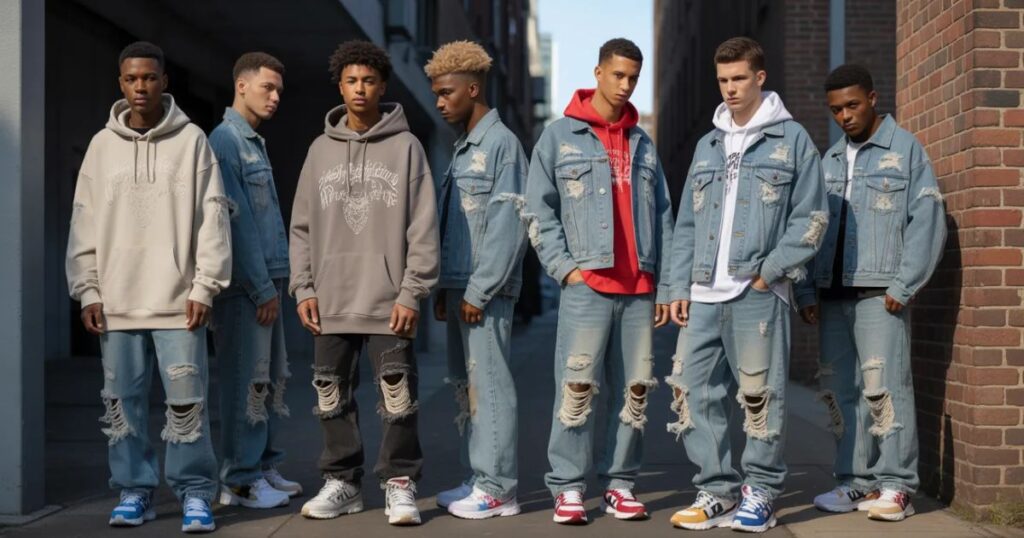
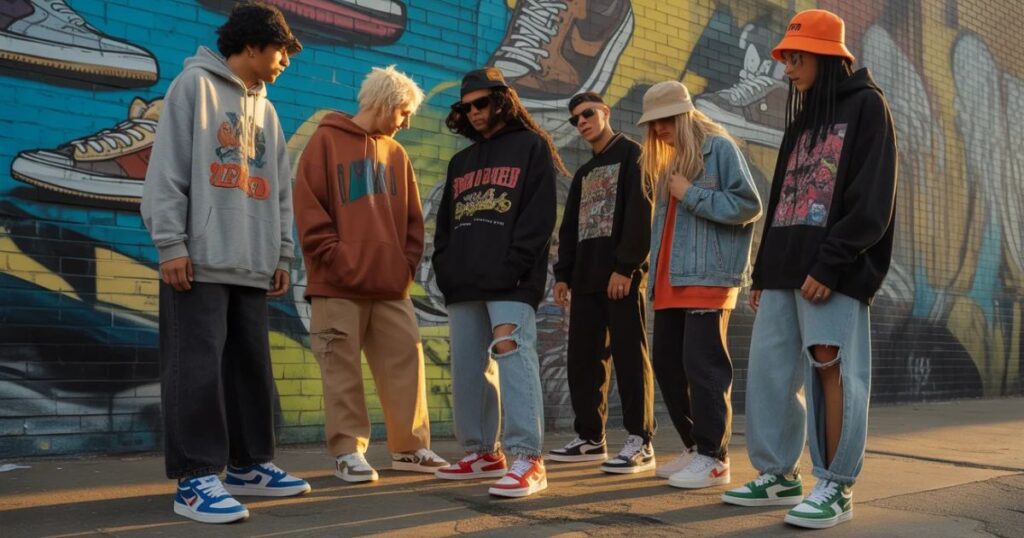
Sneaker and streetwear culture shaped how a whole generation buys clothes. Limited drops, collaborations, resale markets and online communities all started here, and they now influence fashion far beyond sneakers. If you are planning a clothing brand, this culture is not background noise. It tells you how to plan collections, size your production runs, tell your story and build loyal customers. This guide breaks down what brand owners can learn from it and how to turn those lessons into practical decisions. Rare sneakers displayed as a symbol of exclusivity in streetwear fashion. Where sneaker and streetwear culture comes from Streetwear grew out of skateboarding, surfing, hip hop and basketball. Small brands made clothes for their own scenes, and the people inside those scenes wore them as a sign of belonging. Basketball turned sneakers into a cultural object: signature shoes for star players in the 1980s made trainers something people collected, queued for and talked about. Over time the two worlds merged. Sneakers became the anchor of an outfit, and hoodies, graphic tees, tracksuits and outerwear were built around them. Today the same habits that drive sneaker releases, such as limited quantities, hype around release days and a strong second-hand market, drive streetwear clothing too. The key point for brand owners: customers are not only buying a garment. They are buying into a group, a story and a look that says something about them. Five lessons brand owners should take from the culture 1. Authenticity beats hype Hype can sell one drop. Authenticity keeps people coming back. Brands that last have a real connection to a scene, a city, a sport or a set of values, and their products reflect it. Before you design anything, write down who your brand is for and what it stands for. Every collection decision should trace back to that. 2. Scarcity is a planning tool, not a trick Sneaker culture made the limited drop normal. Releasing small quantities creates urgency and protects the value of your product, because pieces do not end up discounted on a sale rail. For a new brand, small runs also reduce risk: you learn what sells before committing to big stock. Working with a manufacturer whose quantities start from 50 pieces per style makes this model practical. 3. Community is the real marketing channel Streetwear spreads from the bottom up. Fans talk on Instagram, TikTok, Discord and Reddit, share fit pics and trade pieces. Brands that listen to their community, show behind-the-scenes content and reward early supporters build loyalty that paid ads cannot buy. A group expressing identity through sneakers and streetwear fashion 4. Collaborations build reach Collaborations between brands, artists, musicians and athletes are a core part of the culture. For a small brand, a collaboration does not need a celebrity. A local artist, a skate shop, a photographer or another small label can introduce you to a new audience and give a drop a story. 5. Quality now matters as much as the logo As the market matures, customers expect more than a logo on a blank. Heavyweight fabrics, solid construction, good fits and detailed decoration are what separate a brand from a merch line. Pieces that hold up after many washes earn repeat customers. Turning culture into a collection plan Understanding the culture is useful only if it shapes what you make. Here is how the lessons above translate into decisions when you plan a collection. Build around a few hero pieces Most streetwear brands start with a small core: a heavyweight hoodie, a graphic tee and maybe a tracksuit or jacket. Focus on getting these right before expanding. Our hoodies and sweatshirts and tracksuits are common starting points for new labels. Plan drops, not seasons Instead of one big seasonal range, plan smaller drops through the year. Each drop can have its own theme, colorway or collaboration. Smaller drops keep your community engaged and let you react to what sells. Use decoration to tell the story Decoration is how your brand’s identity shows on the garment. Options include: Matching labels, hang tags and packaging finish the story. You can see all options on our services page. Oversized hoodie paired with sneakers defines streetwear aesthetics. Choose between blanks and custom production There are two main ways to make product: The operational side: tech packs and samples Culture gets people interested; production keeps your promises. To work with a manufacturer, you will need: Once the sample is approved, bulk production runs with quality checks and ships by tracked DHL or FedEx. Trends to watch when planning your next collections Trends move quickly, but a few directions are worth watching: Frequently asked questions Do I need to sell sneakers to be part of sneaker and streetwear culture? No. Most streetwear brands sell clothing and accessories that are styled with sneakers. What matters is understanding the culture’s values and building your product and story around them. How small can my first drop be? With Hussi Sports, quantities start from 50 pieces per style. That lets you test designs with a limited drop, which also fits the scarcity model the culture is known for. Should I start with blanks or custom manufacturing? Blanks are quicker and cheaper to start with. Custom cut and sew gives you your own fit and fabric, which helps your brand stand out. Many brands start with a few custom hero pieces and grow from there. How do I get a quote for my collection? Send your designs or tech pack through our quote form. We reply within 24 hours. Work with Hussi Sports Ready to make your own collection? Hussi Sports manufactures custom hoodies and sweatshirts, custom tracksuits and custom T-shirts to your design in our Sialkot factory, with full printing and embroidery services and your own labels. Get a free quote and we will reply within 24 hours. Quantities start from 50 pieces per style.
Printed custom hoodies & sweatshirts for businesses and teams
Products

What fabric should you choose for custom hoodies & sweatshirts 

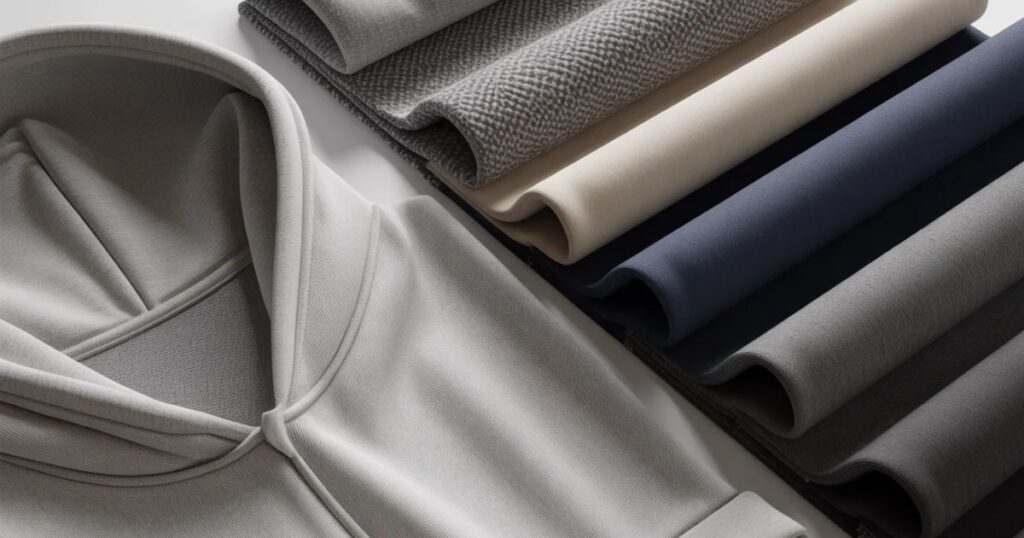
The fabric you choose decides how your hoodies feel, fit, print and age. Two hoodies with the same design can look and sell very differently because of what they are made from. This guide helps brand owners pick the right fabric for custom hoodies and sweatshirts: fleece versus French terry, cotton versus blends, what GSM means, brushed versus loopback, how to deal with shrinkage, and how to request fabric swatches before you sample. Unique custom hoodies & sweatshirts made just for you Choosing the fabric for custom hoodies: the main options Most hoodies and sweatshirts are made from one of two knitted fabrics: fleece or French terry. Both start the same way. The outside is a smooth knit face, and the inside has loops of yarn. What happens to those loops makes the difference. Fleece (brushed back) Fleece is made by brushing the inside loops so they break up into a soft, fluffy surface. That brushed layer traps air, which makes fleece warm and cozy. It is the classic choice for heavyweight streetwear hoodies and winter collections. French terry (loopback) French terry keeps the loops intact on the inside, so you see small, neat loops instead of a fluffy surface. It is lighter, more breathable and has a cleaner, slightly drier hand. Brushed vs loopback: which should you choose? Choose brushed fleece if warmth and a soft, plush feel are your priorities. Choose loopback French terry if you want a cleaner, more breathable hoodie that works in more seasons. Many brands offer both: a heavyweight fleece hoodie for colder months and a French terry version for the rest of the year. Cotton, polyester and blends The fiber content affects softness, durability, shrinkage and how well prints sit on the fabric. 100 percent cotton Cotton feels natural and soft and breathes well. It suits screen printing and DTG, and heavyweight cotton fleece has the premium feel many streetwear brands want. The trade-off is that cotton shrinks more than blends and can lose shape if it is not pre-treated. Cotton-polyester blends Blends mix cotton’s softness with polyester’s strength and shape retention. They shrink less, resist pilling better and keep colors bright. A common setup is cotton on the outside face (good for printing) with polyester mixed into the inner loops. Blends are a practical choice for everyday hoodies and tracksuits. Polyester and performance fabrics High-polyester fabrics are used for sports and activewear hoodies. They dry quickly and are needed for sublimation printing, which only works on polyester. They feel less natural than cotton and can trap heat. Modern custom hoodies & sweatshirts for all styles GSM explained GSM stands for grams per square meter. It measures how heavy a fabric is, and it is the main number brands use to describe hoodie weight. Higher GSM is not automatically better. A very heavy hoodie can feel stiff and warm, and it costs more to make and ship. Choose the weight that suits your fit, your market’s climate and your price point, then write the exact GSM in your tech pack so every batch matches. Shrinkage and how to control it Knitted cotton fabrics shrink when washed and dried, especially in length. If shrinkage is not planned for, your size chart will be wrong once customers wash the garment. Ribbing, trims and other details The main body fabric is only part of the hoodie. Check these too: Stylish custom hoodies & sweatshirts perfect for branding and comfort Matching fabric to decoration Your print or embroidery method should guide your choice of fabric for custom hoodies: See all options on our services page. How to request fabric swatches Swatches let you feel and compare fabrics before you commit to a sample. When you ask a manufacturer for swatches: At Hussi Sports, the fabric is confirmed at the quote stage and tested in your physical sample, which is ready in 7-10 days. Quantities for custom hoodies and sweatshirts start from 50 pieces per style. Frequently asked questions What is the best fabric for custom hoodies? There is no single best fabric. Heavyweight cotton fleece is the most popular for premium streetwear, French terry suits lighter all-season hoodies, and cotton-polyester blends are a durable everyday option. Is French terry or fleece better for printing? Both print well when the outside face is cotton. The difference is mostly in the inside surface and weight, not the print. What GSM should I choose for a heavyweight hoodie? Choose a weight that feels thick and structured in your sample and suits your market’s climate. Compare a few swatches, then write the exact GSM into your tech pack. Will my hoodies shrink? Cotton hoodies can shrink, mostly in length. Pre-shrunk fabrics, wash-testing the sample and adjusting patterns keep shrinkage under control. When should I ask about fabric swatches? Ask at the quote stage, before your sample is made. Describe the fabric type, weight and color you want so the options match your plan. Work with Hussi Sports Ready to make your own collection? Hussi Sports manufactures custom hoodies and sweatshirts and custom tracksuits to your design in our Sialkot factory, with full printing and embroidery services and your own labels. Get a free quote and we will reply within 24 hours. Quantities start from 50 pieces per style.
Private Label Clothing manufacturer customizing high-quality apparel for fashion brands
Products

The Ultimate Guide to Private Label Clothing: What It Is, How It Works, and Whether It’s Worth It

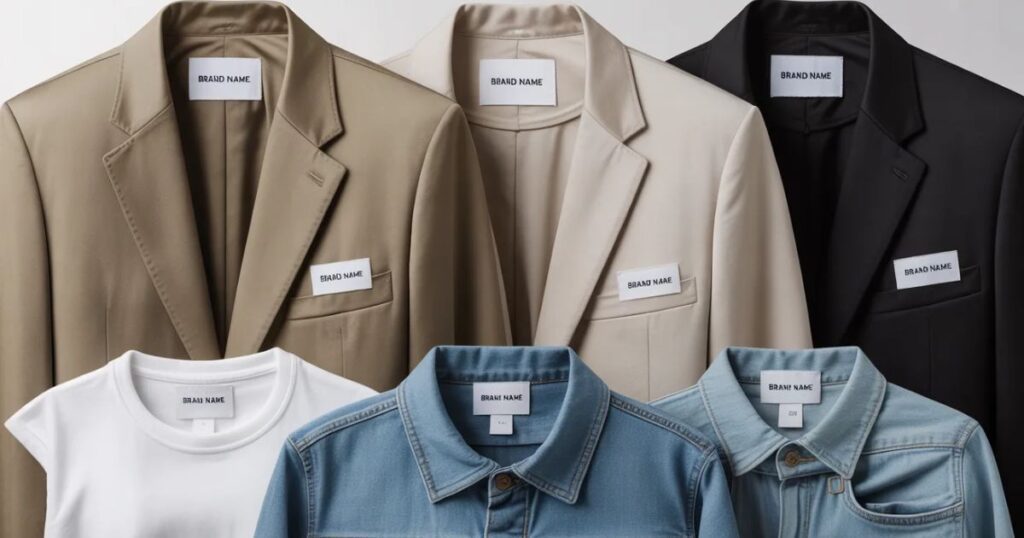
Private label clothing means a factory makes the garments and you sell them under your own brand name, with your labels, tags and packaging. If you are planning a clothing line, choosing a private label clothing manufacturer is one of the first big decisions you will make, because that partner controls fabric, fit, print quality and how reliably your orders arrive. This guide explains what private label really involves, how the process works step by step, which costs to plan for, and how to judge whether it is the right model for your brand. Private Label Clothing production in a modern apparel manufacturing facility. What private label clothing actually is In a private label arrangement, the manufacturer handles production and you own the brand. Your customers see your logo on the neck label, your hang tag and your mailer bag. They do not see the factory. People often mix up three related models: Many brands start with private label on a proven base style, such as a heavyweight hoodie or a boxy tee, and move into full custom pieces as they grow. A good manufacturer can support both. How the private label process works Every factory has its own steps, but the core sequence is similar everywhere. At Hussi Sports it runs tech pack and quote, then sample, then bulk production with quality checks, then delivery. 1. Define the product Decide which garments you will launch and who they are for. Write down the fabric type and weight, colors, fit (regular, oversized, cropped), sizes, and every branding detail: print method, embroidery, neck label, hang tag and packaging. The clearer this brief, the more accurate your quote will be. 2. Send a tech pack and request a quote A tech pack is the document a factory works from: flat sketches, measurements, materials, artwork placement and trim details. If you do not have one yet, send reference images and notes and ask what the factory needs. With Hussi Sports you can request a quote and expect a reply within 24 hours. 3. Approve a physical sample Never skip sampling. A sample shows you the real hand feel of the fabric, the fit on a body, and how the print or embroidery looks up close. Hussi Sports produces physical samples in 7-10 days. Check measurements against your spec, wash the sample, and request changes before you approve. 4. Bulk production and quality checks Once the sample is approved, the factory cuts and sews your order, applies decoration, attaches labels and packs it. Ask how quality is checked during and after production, and what happens if pieces fail inspection. 5. Delivery Finished goods ship to you or your warehouse. Hussi Sports ships with tracked DHL or FedEx to the USA, UK, Canada, Europe and Australia. Finished Private Label Clothing products ready for retail sale. Why brands choose private label clothing Control over the product You decide the fabric, fit, colors and finishing. That control is how you build products customers cannot find elsewhere. A stronger brand identity Custom woven labels, printed neck labels, hang tags and packaging turn a garment into a branded product. These details are a large part of why a customer pays more for one hoodie than another. Better margins than reselling When you own the product and the brand, you set the price. You are not competing on price with every other seller of the same item. Room to grow Once you have a reliable manufacturer, adding a new colorway, a tracksuit set or a matching beanie is far easier than starting from scratch. The risks and challenges to plan for Minimum order quantities Factories set minimums per style because cutting and setting up a production line takes time. High minimums are the main reason new brands end up with too much stock. Hussi Sports starts from 50 pieces per style, which lets a new brand test a design before committing to larger runs. Quality and consistency If the factory gets the fit or print wrong, it is your brand that takes the bad reviews. Sampling, a clear tech pack and agreed quality standards protect you. Cash flow You pay for production before you sell anything. Plan your budget so that one slow-selling style does not stop you from reordering the ones that sell. Communication Time zones and unclear instructions cause most production mistakes. Choose a partner that replies quickly and confirms details in writing. Costs to consider before you start We will not quote generic price ranges here, because the cost of a private label garment depends on fabric, weight, decoration, trims and quantity. What you can do is list every cost category so nothing surprises you: Ask your manufacturer for a line-by-line quote so you can see where the money goes and adjust the parts that matter least to your customer. Our services page lists the decoration and branding options we offer. Custom branding solutions through Private Label Clothing services. Who private label clothing is best for Private label works well for: It is a harder fit if you cannot afford to hold any stock at all, or if you are not ready to invest time in sampling and quality approval. Is private label clothing worth it? For most brand owners, yes, provided you start small and choose the right partner. The model gives you ownership of the product and the brand, and with a low minimum per style the financial risk of a first drop stays manageable. The brands that do well usually share a few habits: they know exactly who they are selling to, they launch a few strong styles instead of many average ones, they approve samples carefully, and they reorder what sells instead of guessing. If you are starting with core pieces, look at our hoodies and sweatshirts for the kind of base styles many private label brands launch with. Frequently asked questions What does a private label clothing manufacturer do? It produces garments to your specifications and attaches your branding: labels, tags,

Sizing Guide chart showing detailed body measurements for accurate fit selection
Products

Sizing Guide: How to Create Perfect Fits for Your Clothing Line

A clear sizing guide for clothing brands does two jobs at once. It tells your factory exactly how big every finished garment should be, and it tells your customers which size to order. When those two things match, returns drop and reviews improve. When they do not, you get hoodies that fit differently from one batch to the next and customers who stop trusting your size chart. This guide walks through how to build an accurate size chart from scratch: taking measurements, setting a base size, grading, tolerances, converting sizes for international markets, and checking fit with samples. Follow our Sizing Guide instructions to measure your body correctly. Body measurements vs garment measurements Before you write a single number, decide which kind of chart you are making. Most brands need both. The difference between the two is called ease: the extra room built into the garment for movement and style. An oversized streetwear hoodie has far more ease than a fitted compression top, even if both are labeled “M”. That is why you cannot copy another brand’s chart and expect the same fit. How to measure garments correctly Garment measurements are taken with the piece laid flat on a table, smoothed but not stretched. Write down how each point is measured so your factory, your quality checker and you all measure the same way. Key measurement points for tops and hoodies Key measurement points for bottoms Record every point in the same unit throughout. Many brands keep centimeters on the factory spec and show inches and centimeters on the customer chart. Start from one base size Sizing is built from a single base size, usually M for menswear and unisex streetwear, or S/M for womenswear. You perfect the fit on that size first through sampling. Every other size is calculated from it. Choose a fit model or a reference garment that matches the body of your typical customer, not an idealized one. If your brand sells to athletes, a gym-goer’s build makes a better reference than a runway mannequin. Grading: building the rest of the size range Grading is the process of scaling the base pattern up and down into a full size run. The amount each measurement changes between sizes is the grade rule. The aim is proportion. Bad grading is why some brands’ XXL hoodies have tight armholes, or why their XS tees come down to mid-thigh. Your manufacturer’s pattern team should supply a graded spec sheet with every size listed, and you should check it before bulk production. Our Sizing Guide helps you convert sizes across US, UK, and EU standards. Set tolerances for every measurement No production line cuts and sews every piece to the exact millimeter. Fabric shrinks, stretches and moves under the needle. A tolerance is the acceptable difference, plus or minus, between the spec and the finished garment. Put tolerances on the spec sheet next to each measurement. They give your quality checks a clear pass or fail standard, and they stop disagreements about whether a batch is “close enough”. Also ask the factory to test shrinkage on your chosen fabric before cutting, especially for garments that will be washed after sewing, such as acid wash or sun-faded pieces. International size conversion If you sell to the USA, UK, Canada, Europe and Australia, your chart needs to make sense to all of them. A few practical rules: The safest approach is to treat measurements as the source of truth and conversion labels as a helpful extra. Fit sampling: test before you produce A size chart is only a theory until you see it on a body. Fit sampling is where you prove it. Base size fit sample Order a sample in your base size, try it on your fit model, and check it in motion: arms raised, sitting, squatting for activewear. Note where it pulls, gaps or sits wrong. At Hussi Sports, physical samples are ready in 7-10 days, so a correction round does not hold up your launch for long. Size set sample Once the base size is approved, ask for a size set: one sample in each size, or at least the smallest and largest. This shows whether the grading holds its proportions at both ends of the range. Measure every sample against the spec Lay each sample flat and measure every point. Record the results next to the spec and tolerance. Anything out of tolerance gets corrected before bulk production begins. Use our Sizing Guide to find your perfect fit with accurate body measurements. Publishing the size chart for customers Once production matches your spec, turn it into a customer-facing chart: Working with your manufacturer on sizing Send your manufacturer a spec sheet with the base size, grade rules, tolerances and measuring instructions, or ask them to help create one from a reference garment. Hussi Sports works from your tech pack through sampling and into bulk production with quality checks, so the size chart you approve is the one that gets produced. You can see the cut and sew and decoration options on our services page, or send your spec for a quote and get a reply within 24 hours. Frequently asked questions What is the difference between a size chart and a spec sheet? A size chart is for customers and usually lists body measurements. A spec sheet is for the factory and lists finished garment measurements, grade rules and tolerances for every size. Which size should be my base size? Most menswear and unisex streetwear brands use M. Womenswear brands often use S or M. Pick the size closest to your typical customer. How much should sizes increase between S, M and L? It depends on the garment and fit. Many casual tops grow by about 2 inches (5 cm) in chest circumference per size, with bigger jumps at the top of the range. Confirm the grade rules with your pattern maker and check them on a size set. Can I copy another brand’s size chart? You

Streetwear Trends
Products

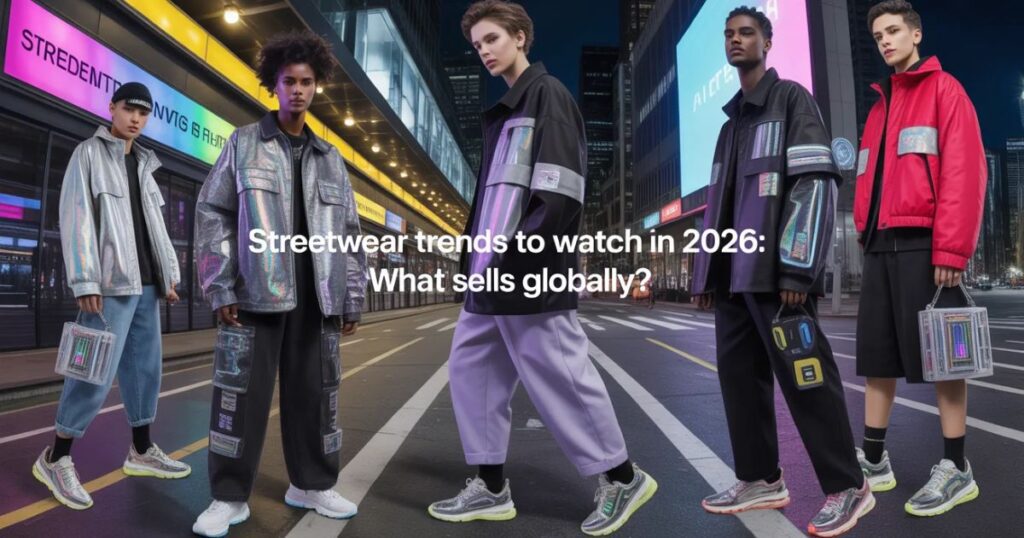
Streetwear Trends to Watch in 2026: What Sells Globally? 

If you run a clothing brand, the useful question about streetwear trends 2026 is not “what is cool?” but “what should I actually produce?” Trends only matter if they turn into styles your customers buy, in quantities you can sell through. This guide looks at the streetwear directions brands are building collections around, which garments carry them, and how to test a trend without filling a storeroom with stock. We will not quote market statistics; instead we focus on the product and production decisions you control. How to read streetwear trends as a brand owner Streetwear grew out of skate, surf, hip-hop and city street culture, and it still moves fastest through communities and social media. That makes it easy to chase every new look. A better approach is to sort ideas into three groups: Most of your budget should go to core styles done well, with a smaller share for directional pieces and a small test for anything faster. Streetwear trends 2026: what brands are producing Boxy and oversized fits Dropped shoulders, wide bodies and cropped or relaxed lengths are still the backbone of streetwear silhouettes. The trend is moving toward more considered proportions: a boxy tee that is wide but not long, a hoodie with a heavier rib to hold its shape. For production, that means getting the pattern right rather than just sizing up a regular fit. Our T-shirts and graphic tees show the kinds of cuts brands start from. Heavyweight fabrics Customers notice fabric weight the moment they pick up a garment. Heavier cotton jersey for tees and thick brushed or loopback fleece for hoodies signal quality and help oversized cuts drape properly. Ask your manufacturer for fabric swatches in different weights (GSM) and compare them in hand before deciding. Washed, faded and distressed finishes Acid wash, sun-faded and distressed finishes give a new garment a worn-in, vintage character. They also make each piece slightly different, which suits small-batch brands. Because washing affects size and color, these finishes need to be sampled and measured after washing, not before. Textured and raised prints Flat prints are still everywhere, but brands are adding texture to stand out: 3D puff print, puff embroidery, chenille patches, and distressed embroidery. These techniques make a simple logo feel premium and are hard for cheaper competitors to copy. Screen printing still makes sense for bold graphics in bulk, while DTG suits detailed, multi-color artwork on smaller runs. Matching sets and tracksuits Coordinated sets, such as a hoodie with matching sweatpants or a full tracksuit, let customers buy a complete look in one order. For a brand, sets raise the value of each order and reuse the same fabric and color across pieces, which simplifies production. Sport and outdoor influence Athletic and technical details keep crossing into streetwear: track jackets, windbreakers, panelled designs, reflective prints and functional pockets. These pieces work for brands that sit between sportswear and street style. Details that make a garment feel branded Small details are where young brands can look established: custom woven labels, printed neck labels, branded zip pullers, metal snaps and studs, and custom packaging. Rhinestones and other embellishments also appear on statement pieces. What sells: matching trends to products Rather than chasing a “best-selling” list, match each trend to the garments your customers already buy from you: How to test a trend without overproducing The biggest risk with trends is producing too much of something that cools off before it sells. A few habits keep that risk low: Planning your 2026 range A practical structure for a small streetwear brand is a few core pieces you keep in stock, plus one or two trend-led pieces per drop. Build a tech pack for each style, request a sample, and confirm the fit, fabric and finish before bulk production. When you are ready, send your designs for a quote and we will reply within 24 hours. Frequently asked questions What are the main streetwear trends for 2026? Boxy and oversized fits, heavyweight fabrics, washed and distressed finishes, textured prints such as puff print and chenille, matching sets, and sport-influenced details are the directions most brands are building around. Should a small brand follow every trend? No. Put most of your budget into core styles that sell steadily, and use small runs to test faster-moving ideas. Which print method suits streetwear best? It depends on the design. Screen printing works well for bold graphics in bulk, DTG for detailed multi-color artwork, and 3D puff print or embroidery for a raised, premium logo. How many pieces should I order to test a trend? Start as small as your manufacturer allows. At Hussi Sports that is 50 pieces per style, which is enough to test demand without overstocking. Work with Hussi Sports Ready to make your own collection? Hussi Sports manufactures custom hoodies and sweatshirts, custom tracksuits and custom T-shirts to your design in our Sialkot factory, with full printing and embroidery services and your own labels. Get a free quote and we will reply within 24 hours. Quantities start from 50 pieces per style.
Business analyst reviewing stock reports to manage Increasing Inventory Risks
Products

5 Ways to Scale Your Apparel Business Without Increasing Inventory Risks

Growing a clothing brand usually means producing more, and producing more usually means holding more stock. The trouble is that unsold stock ties up cash, takes up space and often ends up discounted. The good news is that you can scale an apparel brand without inventory risk growing at the same pace as your sales. It comes down to how you order: smaller runs, smarter timing and decisions based on what has already sold. Here are five practical ways to do it, written from the manufacturer’s side of the table. Slow-moving goods can expire and lead to significant business losses. Why inventory is the biggest risk for growing apparel brands Every piece you produce is cash spent before a customer has paid you. If a style sells, that is fine. If it does not, the money stays tied up in boxes. Clothing adds extra risk because demand is spread across sizes and colors, so even a successful design can leave you with piles of the wrong sizes. Trends also move quickly in streetwear, which shortens the time you have to sell a style at full price. The goal is not to avoid stock altogether. It is to make sure each order is backed by evidence that it will sell. 1. Launch with small test drops Instead of releasing a large collection, release a few styles in small quantities and see what happens. A small drop tells you which designs, colors and sizes people actually buy, and it creates urgency because quantities are limited. Limited drops also suit streetwear culture, where scarcity is part of the appeal. 2. Work with a low MOQ manufacturer Minimum order quantity (MOQ) is the smallest number of pieces a factory will make per style. High MOQs force you to buy more than you can sell, which is how inventory risk builds up. A low MOQ lets you produce in line with real demand. Hussi Sports starts from 50 pieces per style, with order bands of 50-100, 100-300, 300-500 and 500+. That makes it possible to test a design at 50 pieces and move to larger runs only after it proves itself. Ask any manufacturer you are considering whether the minimum applies per style, per color or per order, because that changes how flexible you can be. Sampling matters here too. A physical sample, ready in 7-10 days at Hussi Sports, lets you check fit and quality before a single bulk piece is cut, so you are not left with a full run of garments that fit wrong. Improper storage conditions contribute to product damage and higher costs. 3. Take pre-orders before you produce Pre-orders flip the usual order of things: customers pay first, then you produce. You know the exact quantities by size and color before production starts, and the payments help fund the order. To run pre-orders well: Pre-orders work especially well for a new colorway or a limited design that your audience already knows about. 4. Separate core products from seasonal ones Not every product should be treated the same way. Split your range into two groups: This split keeps most of your money in products with predictable demand. You can browse our hoodies and sweatshirts and T-shirts for typical core styles, then add seasonal pieces such as acid wash or 3D puff print versions around them. Excess inventory piling up in storage increases financial and operational pressure. 5. Plan reorders using real sales data Reordering is where many brands either run out of their best seller or overbuy a style that was slowing down. A simple reorder plan avoids both. Track sell-through by size and color Look at how much of each size sold, not just the total. If your M and L sold out while XS sat untouched, your next order should shift the size ratio rather than repeating it. Know your reorder point Work out how many units you sell per week for each core style and how long a reorder takes from confirmation to delivery, including shipping. Reorder before stock falls below that amount, so you do not lose sales while waiting. Hussi Sports ships with tracked DHL or FedEx to the USA, UK, Canada, Europe and Australia, which makes delivery dates easier to plan around. Reuse approved specs Keep your approved tech packs, fabric choices and size specs on file with your manufacturer. A reorder from an approved spec is faster and carries less risk of fit or color changes between batches. Putting it together A brand that scales safely tends to follow the same pattern: test with small drops, keep MOQs low, use pre-orders for new ideas, protect core styles, and reorder based on data. Each step means less money sitting in unsold stock and more available for the products that are working. If you want to see what we can produce in small runs, the services page lists our cut and sew, printing and embroidery options. Frequently asked questions How can I scale an apparel brand without inventory risk? Use small test drops, a manufacturer with low minimums, pre-orders for new styles, and reorders based on sales data. This keeps production closely matched to demand. What MOQ should a growing clothing brand look for? Low enough to test a style without overstocking. At Hussi Sports, quantities start from 50 pieces per style. Are pre-orders a good idea for a new brand? Yes, if you have an approved sample to show and you give an honest delivery window. Pre-orders tell you exactly what to produce before you spend money on bulk. How do I decide which styles to restock? Restock core styles with steady sales and look at results by size and color. Let slow seasonal styles sell out rather than reordering them. Work with Hussi Sports Ready to make your own collection? Hussi Sports manufactures custom hoodies and sweatshirts, custom tracksuits and custom T-shirts to your design in our Sialkot factory, with full printing and embroidery services and your own labels. Get a free quote

Custom streetwear brand oversized graphic hoodie urban fashion apparel modern street style clothing
Products

How to Start a Successful Custom Streetwear Brand in 2026

If you want to start a streetwear brand in 2026, the hard part is not having ideas. It is turning them into a small, sellable first drop without wasting money on the wrong samples or too much stock. This is a short roadmap: eight stages, in order, with what to decide at each one. Use it as a checklist and come back to it as you go. Signature snapback cap completing the ultimate urban fashion apparel look. How to start a streetwear brand: the roadmap at a glance Step 1: Choose your niche Streetwear is crowded, so “streetwear for everyone” is not a niche. Define who you are making clothes for and what connects them: a skate crew, a music scene, a city, a sport, a subculture, a design style. Write one sentence that describes your customer and what they will not find elsewhere. Every later decision, from fabric weight to price, should fit that sentence. Step 2: Design a focused first collection Start with three to five pieces, not twenty. A typical first drop is built on proven streetwear staples: Gather reference garments you like for fit and fabric, then decide what makes yours different: the graphic, the cut, a washed finish, a puff print or embroidered logo, custom labels. Browse our hoodies and sweatshirts and graphic tees for base styles brands commonly start from. Limited edition graphic tee blending creative expression with authentic urban fashion apparel. Step 3: Create tech packs A tech pack is the instruction manual your factory follows. For each style it should include: Your drawings do not need to be perfect, but they need to be clear. Missing details lead to guesswork, and guesswork leads to extra sample rounds. Step 4: Plan your budget Prices depend on fabric, decoration, quantity and where you sell, so get real quotes rather than relying on averages from the internet. Build your budget by category: Keep the first order small so a slow style does not drain your budget. Step 5: Find a manufacturer Look for a manufacturer that makes the products you need, offers the decoration methods in your designs, and works at the quantities you can afford. Questions to ask: For reference, Hussi Sports is a cut and sew manufacturer in Sialkot, Pakistan. Quantities start from 50 pieces per style, samples take 7-10 days, and orders ship with tracked DHL or FedEx to the USA, UK, Canada, Europe and Australia. Our services page lists the full range of printing, embroidery, finishes and trims. Step 6: Sample and approve Order a sample of each style before bulk. When it arrives: Approve only when you would be happy for every piece in the order to look exactly like this sample. Contemporary cargo pants designed for functional modern street style clothing. Step 7: Produce and launch your first drop Once samples are approved, confirm quantities by size and color, then place your bulk order. Keep size ratios realistic: most streetwear brands sell more in the middle sizes than at the extremes. While production runs, prepare your product pages, size charts and shipping setup so you can launch as soon as stock arrives. Step 8: Marketing basics You do not need a big budget, but you do need a plan: Frequently asked questions How many designs should I launch with? Three to five pieces is enough for a first drop. It keeps costs and risk down and makes your brand easier to understand. Do I need design experience to start a streetwear brand? No, but you need clear references and a tech pack. A designer or your manufacturer can help turn your sketches into production-ready files. How much stock should I order for my first drop? As little as your manufacturer allows while still covering your main sizes. At Hussi Sports that starts at 50 pieces per style. How long before I can launch? Sampling takes 7-10 days at Hussi Sports, but allow time for revisions, bulk production, shipping and photography. Ask your manufacturer for a production timeline when you request a quote. Work with Hussi Sports Ready to make your own collection? Hussi Sports manufactures custom hoodies and sweatshirts, custom T-shirts and custom tracksuits to your design in our Sialkot factory, with full printing and embroidery services and your own labels. Get a free quote and we will reply within 24 hours. Quantities start from 50 pieces per style.
Scroll to Top