

If you run a clothing brand, the useful question about streetwear trends 2026 is not “what is cool?” but “what should I actually produce?” Trends only matter if they turn into styles your customers buy, in quantities you can sell through. This guide looks at the streetwear directions brands are building collections around, which garments carry them, and how to test a trend without filling a storeroom with stock. We will not quote market statistics; instead we focus on the product and production decisions you control.
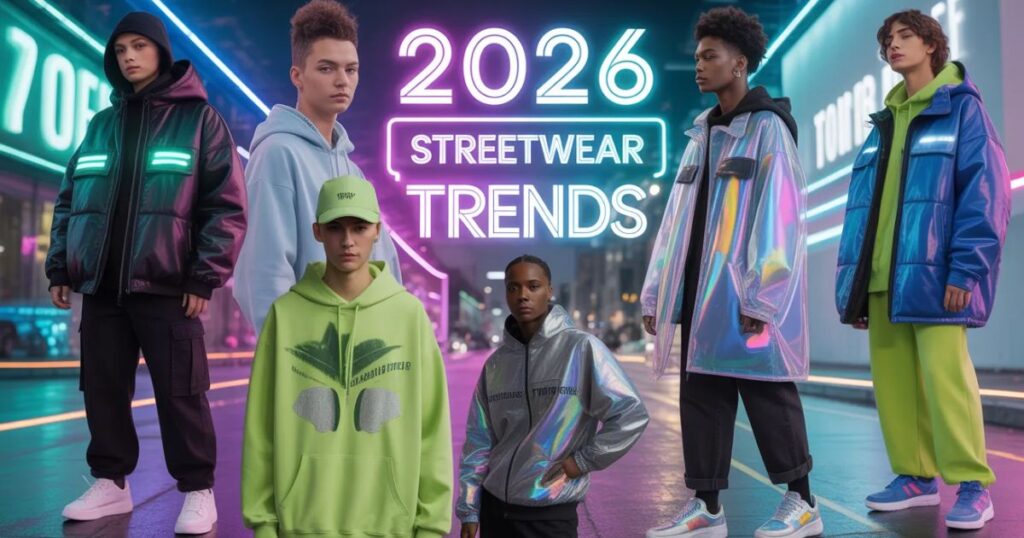
How to read streetwear trends as a brand owner
Streetwear grew out of skate, surf, hip-hop and city street culture, and it still moves fastest through communities and social media. That makes it easy to chase every new look. A better approach is to sort ideas into three groups:
- Core styles that sell season after season, such as hoodies, heavyweight tees and sweatpants. The trend shows up in fit, fabric and finish rather than the garment itself.
- Directional trends that will probably last a few seasons, such as boxy cuts, washed finishes and textured prints.
- Micro-trends that can flare up and fade quickly. Test these in small runs or skip them.
Most of your budget should go to core styles done well, with a smaller share for directional pieces and a small test for anything faster.
Streetwear trends 2026: what brands are producing
Boxy and oversized fits
Dropped shoulders, wide bodies and cropped or relaxed lengths are still the backbone of streetwear silhouettes. The trend is moving toward more considered proportions: a boxy tee that is wide but not long, a hoodie with a heavier rib to hold its shape. For production, that means getting the pattern right rather than just sizing up a regular fit. Our T-shirts and graphic tees show the kinds of cuts brands start from.
Heavyweight fabrics
Customers notice fabric weight the moment they pick up a garment. Heavier cotton jersey for tees and thick brushed or loopback fleece for hoodies signal quality and help oversized cuts drape properly. Ask your manufacturer for fabric swatches in different weights (GSM) and compare them in hand before deciding.
Washed, faded and distressed finishes
Acid wash, sun-faded and distressed finishes give a new garment a worn-in, vintage character. They also make each piece slightly different, which suits small-batch brands. Because washing affects size and color, these finishes need to be sampled and measured after washing, not before.
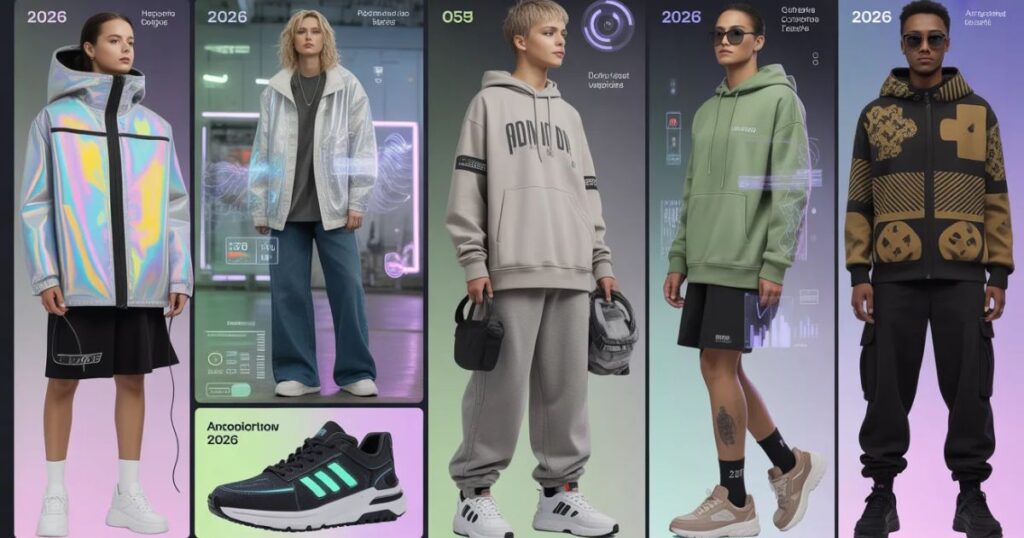
Textured and raised prints
Flat prints are still everywhere, but brands are adding texture to stand out: 3D puff print, puff embroidery, chenille patches, and distressed embroidery. These techniques make a simple logo feel premium and are hard for cheaper competitors to copy. Screen printing still makes sense for bold graphics in bulk, while DTG suits detailed, multi-color artwork on smaller runs.
Matching sets and tracksuits
Coordinated sets, such as a hoodie with matching sweatpants or a full tracksuit, let customers buy a complete look in one order. For a brand, sets raise the value of each order and reuse the same fabric and color across pieces, which simplifies production.
Sport and outdoor influence
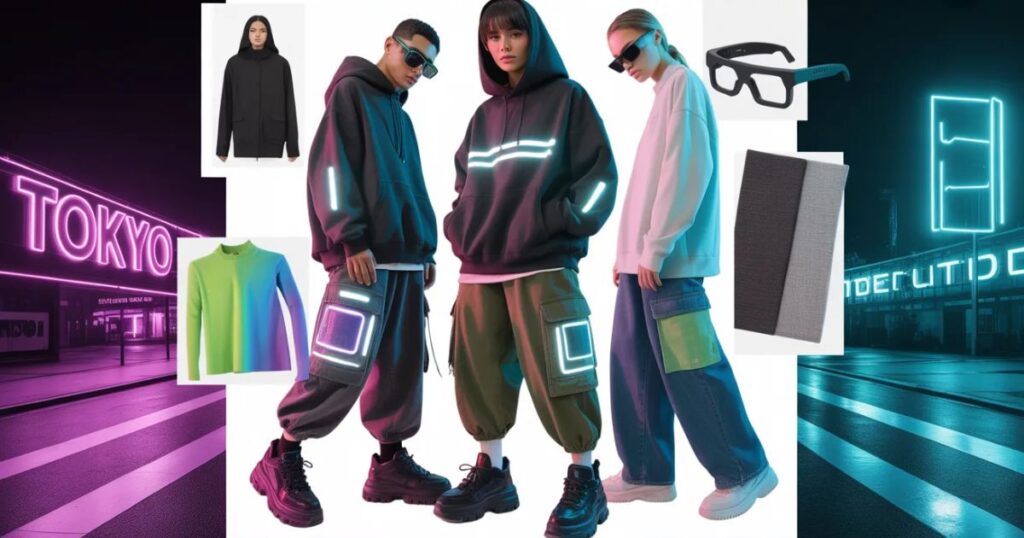
Athletic and technical details keep crossing into streetwear: track jackets, windbreakers, panelled designs, reflective prints and functional pockets. These pieces work for brands that sit between sportswear and street style.
Details that make a garment feel branded
Small details are where young brands can look established: custom woven labels, printed neck labels, branded zip pullers, metal snaps and studs, and custom packaging. Rhinestones and other embellishments also appear on statement pieces.
What sells: matching trends to products
Rather than chasing a “best-selling” list, match each trend to the garments your customers already buy from you:
- Hoodies and sweatshirts: the safest base for oversized fits, heavy fleece, puff print and washed finishes.
- Graphic tees: the lowest-cost way to test a new graphic or print technique.
- Sweatpants and tracksuits: strong for matching sets and sport-influenced details.
- Jackets: higher price points and more construction, best once you know your audience.
- Accessories: beanies and socks extend a drop with lower cost per piece.
How to test a trend without overproducing
The biggest risk with trends is producing too much of something that cools off before it sells. A few habits keep that risk low:
- Launch small. Hussi Sports starts from 50 pieces per style, so you can try a new silhouette or finish without a large commitment.
- Sample first. Physical samples take 7-10 days. Photograph them, show them to your community, and use the feedback before ordering bulk.
- Put the trend on a proven product. A new washed finish on your best-selling hoodie is a safer test than a completely new garment.
- Track sell-through by style and size. Reorder what sells, and retire what does not.
Planning your 2026 range
A practical structure for a small streetwear brand is a few core pieces you keep in stock, plus one or two trend-led pieces per drop. Build a tech pack for each style, request a sample, and confirm the fit, fabric and finish before bulk production. When you are ready, send your designs for a quote and we will reply within 24 hours.
Frequently asked questions
What are the main streetwear trends for 2026?
Boxy and oversized fits, heavyweight fabrics, washed and distressed finishes, textured prints such as puff print and chenille, matching sets, and sport-influenced details are the directions most brands are building around.
Should a small brand follow every trend?
No. Put most of your budget into core styles that sell steadily, and use small runs to test faster-moving ideas.
Which print method suits streetwear best?
It depends on the design. Screen printing works well for bold graphics in bulk, DTG for detailed multi-color artwork, and 3D puff print or embroidery for a raised, premium logo.
How many pieces should I order to test a trend?
Start as small as your manufacturer allows. At Hussi Sports that is 50 pieces per style, which is enough to test demand without overstocking.
Work with Hussi Sports
Ready to make your own collection? Hussi Sports manufactures custom hoodies and sweatshirts, custom tracksuits and custom T-shirts to your design in our Sialkot factory, with full printing and embroidery services and your own labels.
Get a free quote and we will reply within 24 hours. Quantities start from 50 pieces per style.