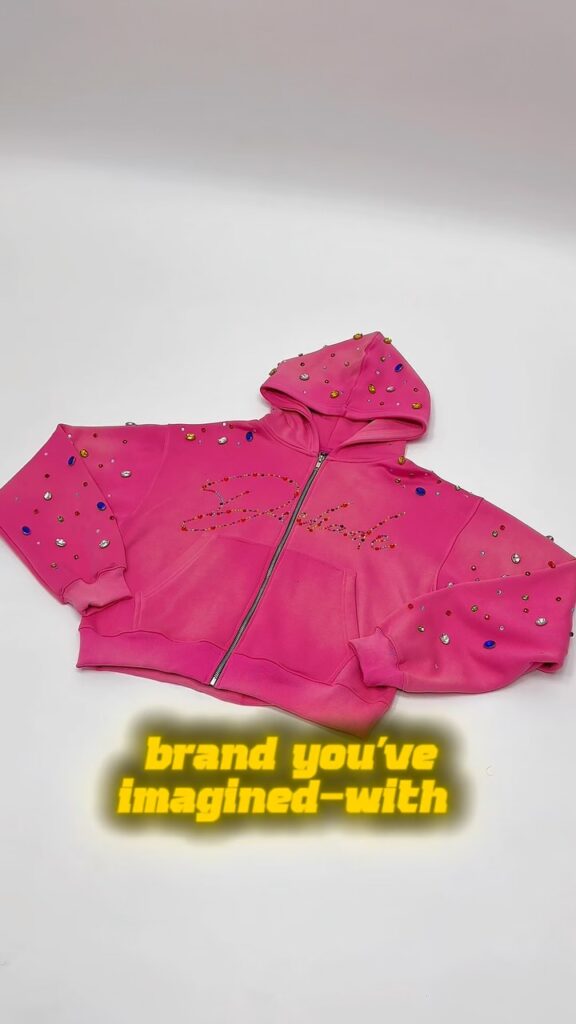
How to Make a Tech Pack for a Hoodie: A Complete Guide for Streetwear Brands
Learn how to make a tech pack for a hoodie: flats, bill of materials, measurement chart, artwork placement, labels and packing, plus common mistakes to avoid.



Learn how to make a tech pack for a hoodie: flats, bill of materials, measurement chart, artwork placement, labels and packing, plus common mistakes to avoid.
Choosing where to produce is one of the biggest decisions a clothing brand makes. Pakistan vs China comes up often because both countries have large, experienced garment industries and both export to the USA, UK, Europe and beyond. Neither is the right answer for every brand. The better choice depends on what you make, how much you order, which fabrics you need and how you like to work with a factory. This guide compares the two honestly, factor by factor, and explains how to vet any clothing manufacturer wherever it is based. A note on perspective: Hussi Sports is a manufacturer in Sialkot, Pakistan. We have tried to keep this comparison fair, because a brand that picks the wrong country for its product ends up unhappy no matter who makes it. The strengths of each country Pakistan: a cotton-based textile industry Pakistan grows cotton and has a long-established textile chain built around it, from spinning and knitting to dyeing and garment making. This makes it a natural fit for cotton-heavy products such as fleece hoodies, sweatshirts, jersey T-shirts, French terry sets and knitted items. Sialkot, in Punjab, has a long tradition of making sporting goods and sportswear for international buyers. Many factories in the city are used to working directly with overseas brands, including small and growing ones, and offer cut and sew together with printing, embroidery and finishing under one roof or nearby. China: scale and supply chain breadth China’s apparel industry is very large and very broad. Its biggest advantage is the depth of the surrounding supply chain: fabric mills, trim suppliers, hardware makers and specialist workshops for almost every component. That breadth is especially strong in synthetic and technical fabrics, such as performance polyester, nylon blends, waterproof and laminated materials and specialty knits. For complex technical outerwear, products that need unusual hardware, or very large volumes across many styles, China offers a wide choice of factories and materials. Pakistan vs China: comparing the key factors Product type Start with what you are making. If your range is mostly cotton streetwear and sportswear, such as hoodies and sweatshirts, tees, tracksuits and joggers, Pakistan’s cotton base and Sialkot’s sportswear experience are a good match. If your range depends on technical synthetics, complex shell jackets or specialty hardware, China’s material range may give you more options. Many brands split production: cotton basics in one place, technical items in another. MOQ Minimums vary far more between individual factories than between countries. Both countries have factories built for very large runs and factories that welcome small brands. The real question is whether a specific factory is set up for your order size. At Hussi Sports, quantities start from 50 pieces per style. Whoever you contact, ask whether the MOQ is counted per order, per style or per color. Communication English is widely used in business in Pakistan, which many brands in the USA, UK, Canada and Australia find helpful when discussing fit, measurements and finishing details. Many Chinese factories that export also have English-speaking sales teams, and some work through agents. In both cases, what matters is whether the person you speak with understands technical garment terms and responds clearly and quickly. Time zones matter too: check when the factory is available and how that overlaps with your working day. Sampling Sampling speed and quality depend on the factory’s own pattern room and how close its fabric and trim suppliers are. China’s dense supplier networks can make it quick to source unusual materials for a sample. Factories in Sialkot often keep cotton fabrics and decoration in-house or nearby, which helps with cotton and fleece samples. At Hussi Sports, physical samples are ready in 7-10 days. Always ask any factory for its sampling time and what is included. Shipping to the US and UK Both countries ship to North America and Europe by courier, air freight and sea freight. Smaller brands often use express couriers for samples and small bulk orders. Hussi Sports ships with tracked DHL or FedEx to the USA, UK, Canada, Europe and Australia. Import duties and rules depend on the destination, the product and its country of origin, and they can change, so check current requirements with a customs broker or your courier before you decide. Decoration and finishing Both countries offer the full range of printing and embroidery. For streetwear, ask specifically about the techniques you plan to use, such as 3D puff print, chenille embroidery, acid wash or distressed finishes, and request photos or physical samples of past work in that technique. Our services page lists what we do in-house. Cost and total value It is tempting to compare only the unit price on a quote, but the real cost includes sampling rounds, shipping, duties, defects and the time you spend fixing problems. A slightly higher unit price from a factory that gets the sample right the first time and communicates clearly can work out cheaper overall. Compare quotes built on the same tech pack and quantities, and look at what each one includes, such as labels, packaging and shipping, before you decide. A quick summary Factor Pakistan China Natural strength Cotton knits, fleece, sportswear and streetwear Synthetic and technical fabrics, wide supplier range Best fit for Hoodies, tees, tracksuits, sets, knitted items Technical outerwear, complex hardware, very broad ranges MOQ Depends on the factory Depends on the factory Communication English widely used in business Many export teams speak English; agents are common What to check Synthetic fabric sourcing for technical items Whether a large factory will prioritize a small order How to vet any clothing manufacturer In the Pakistan vs China decision, country is only a starting point. The factory itself decides your quality and experience. Use the same checks everywhere: If your range is built on cotton streetwear or sportswear, request a quote from us through our quote form and compare it with others. We reply within 24 hours. Frequently asked questions Is Pakistan or China better for hoodies? Both make hoodies. Pakistan’s cotton-based
If you are starting a clothing brand, MOQ is one of the first terms you will meet when you contact factories. Every clothing manufacturer MOQ affects how much stock you buy, how much cash you tie up and how many styles you can launch with. Understanding why factories set minimums, and how they are counted, helps you plan a first order that fits your budget without surprises. This guide covers what MOQ means, why it exists, how it changes by style, color and size, and how to work with low minimums. What MOQ means MOQ stands for minimum order quantity. It is the smallest number of pieces a manufacturer will produce for one order. Below that number, the factory either cannot make the order or would have to charge much more per piece to cover its costs. The important detail is how the minimum is counted. One factory’s MOQ may apply per order, another’s per style, and another’s per style per color. Two quotes that both say “100 pieces” can mean very different total orders, so always ask exactly what the number covers. Why clothing manufacturers set an MOQ Minimums are not arbitrary. They come from real costs and limits in garment production. Fabric minimums Factories buy fabric from mills and knitters, and those suppliers have their own minimums. A mill may only knit or dye a certain length of fabric at a time. If your order uses less than that, the leftover fabric becomes a cost that someone has to cover. Stock fabrics in common colors usually have lower minimums than fabrics made to order. Dye lots When fabric is dyed to a custom color, it is dyed in batches called dye lots. Each batch can vary slightly in shade. Dyeing a very small amount is inefficient, and splitting an order across several small lots makes color consistency harder. A minimum per color helps keep all pieces in that color from one lot. Setup costs Before a single garment is sewn, the factory makes patterns, grades them across sizes, plans cutting markers and sets up sewing lines. Decoration has its own setup: print screens for each color, embroidery digitizing and test prints. These costs are roughly the same whether the run is small or large, so a minimum makes sure they are spread across enough pieces to keep the unit price reasonable. Trims and labels Custom woven labels, hang tags, zip pullers and printed packaging are often made by outside suppliers with their own minimum runs. This is one reason custom trims can push up the effective minimum of an order. How MOQ differs by style, color and size When you read a quote, check which of these the minimum applies to: For example, one hoodie style in three colors could be one minimum or three, depending on how the factory counts. Clarify this before you plan your range. Hussi Sports MOQ At Hussi Sports in Sialkot, Pakistan, quantities start from 50 pieces per style. Our quote form offers 50-100, 100-300, 300-500 and 500+ pieces, so you can request prices that match where your brand is now. This makes it practical for new brands to test a product with real customers before committing to larger runs. We make hoodies and sweatshirts, tracksuits, T-shirts, jackets, women’s activewear, socks and beanies. How to work with a low clothing manufacturer MOQ A low minimum gives you flexibility, but it also means each piece carries more of the setup cost. These approaches help you get the most from a small order. Launch with fewer styles Two or three strong styles at a healthy quantity often work better than eight styles at the bare minimum. Fewer styles mean fewer setups and a lower price per piece. Limit colorways Start with one or two colors per style. Black, white, gray and other core colors are often available as stock fabric, which keeps minimums and costs down. Add seasonal colors once you know which styles sell. Reuse fabrics and trims across styles If your hoodie and joggers use the same fleece in the same color, the fabric order is combined. The same goes for labels and drawcords. Shared materials help you meet supplier minimums without buying more garments. Keep decoration simple at first Fewer print colors and placements mean less setup. On small runs, methods without screens, such as DTG or heat press transfers, can be more efficient than multi-color screen printing. Our services page lists all the decoration options. Is a higher MOQ ever worth it? Sometimes. Once a style has proven demand, ordering more pieces lowers the cost of each one and reduces how often you need to reorder. It can also make custom-dyed colors and custom trims practical. The risk is unsold stock, which ties up cash and storage. A sensible path for many brands is to start near the minimum, track how each style and size sells, then increase quantities only on the styles that move. Your sales data, not the factory’s price breaks, should decide when to scale. Tips for your first order When you are ready, send your details through our quote form. We reply within 24 hours. Frequently asked questions What is a typical MOQ for a clothing manufacturer? A clothing manufacturer MOQ varies widely by factory, product and fabric. Some factories focus on large runs, others on small and medium brands. At Hussi Sports, quantities start from 50 pieces per style. Can I mix sizes within the minimum? Yes. The style quantity is normally split across sizes in the ratio you choose. Tell us your size breakdown when you request a quote. Does a lower MOQ mean a higher price per piece? Usually, yes. Setup costs for patterns, printing and embroidery are spread over fewer pieces, so each garment carries more of that cost. Larger quantities bring the unit price down. Do samples count toward the MOQ? No. Samples are made before bulk production so you can approve the product. The minimum applies to the bulk order
How much does it cost to manufacture hoodies? It is the first question most brand owners ask a factory, and the honest answer is that it depends on a set of decisions you control. Two hoodies that look similar in a photo can be priced very differently because of the fabric, the fit, the decoration and the quantity behind them. This guide explains every factor that affects hoodie manufacturing cost, how each one moves the price up or down, and how to get an accurate quote instead of a rough guess. Why the cost to manufacture hoodies varies A hoodie is built from many parts: body fabric, rib for cuffs and hem, a hood that may be lined, drawcords, eyelets, possibly a zipper, labels, decoration and packaging. Each part has options, and each option has a cost. A manufacturer can only give a reliable price once those choices are known. Any number given before that is an estimate that will change once the details are confirmed. The sections below follow roughly the order in which costs build up, from fabric to delivery. Fabric type and GSM Fabric is usually the largest single part of hoodie manufacturing cost. Two things matter most: what the fabric is made of and how heavy it is. Fiber content Fabric weight (GSM) GSM means grams per square meter. A higher GSM means a heavier, thicker fabric, and because more material goes into every hoodie, the cost rises with weight. Heavyweight hoodies popular in streetwear use noticeably more fabric than lighter, everyday weights. If your design is oversized, the larger pattern pieces add to fabric use as well. Custom-dyed colors can also affect the price. Fabric dyed to your exact color reference involves lab dips and dyeing minimums, while stock colors avoid those steps. Fit and pattern complexity Every extra panel, seam and detail adds cutting and sewing time. A basic pullover hoodie with a kangaroo pocket is the simplest build. Costs rise as you add: A new fit also needs pattern making and grading across your size range. Once the pattern exists, reorders of the same style are simpler because that work is already done. Order quantity Quantity has a strong effect on the price per piece. Many costs in production are fixed per order or per style: pattern setup, marker making, machine setup, print screens and embroidery digitizing. Spread across a small run, these costs add a lot to each hoodie. Spread across a larger run, they add much less. At Hussi Sports, quantities start from 50 pieces per style, with quote options for 50-100, 100-300, 300-500 and 500+ pieces. Asking for prices at two or three quantity levels shows you exactly how the unit cost changes as the order grows, which helps you plan your first drop and your reorders. Printing and embroidery Decoration is often the second-largest cost after fabric, and it varies more than anything else. Three things drive it: the method, the number of colors and the number of placements. Method Colors and placements Each extra screen-print color adds setup and a print pass. Each extra placement (front, back, sleeve, hood) is a separate operation. A hoodie with a one-color chest logo costs far less to decorate than one with a large multi-color back print, sleeve hits and an embroidered hood. If you are watching your budget, cutting one placement or one color is often the simplest saving. You can compare all decoration methods on our services page. Trims Trims are small parts, but they add up across a full order. Plain cotton drawcords with standard eyelets are the base. Custom metal aglets, flat woven cords, branded zip pullers, custom zippers, snaps or studs all add cost, and some custom trims have their own minimum quantities. Decide which trims really matter to your brand’s look and keep the rest standard. Labels and packaging Branding inside and around the hoodie is part of the cost too. Options include woven or printed neck labels, care labels, hang tags, custom polybags and branded boxes. Woven labels and printed labels differ in cost and feel, and custom packaging adds both material and handling. These items are worth including in your first quote so the final price is complete. Washes and finishes Special finishes add processing steps after sewing. Acid wash, sun-faded and distressed effects each involve extra handling, and some washes need testing on your exact fabric to get a consistent result. Garment dyeing and enzyme or silicone washes for a softer hand also add cost. A finish can make a basic hoodie feel premium, so it is often worth it, but it should be part of the quote from the start. Sampling Before bulk production, you approve a physical sample. Sampling costs more per piece than bulk because a pattern maker, cutter and sewer make one garment by hand, and print or embroidery setup is done for a single piece. At Hussi Sports, physical samples are ready in 7-10 days. Budget for at least one round of sampling, and possibly a second if you change the fit or fabric. Skipping samples to save money usually costs more later if bulk goods are not what you expected. Shipping and duties The factory price is not the full cost to manufacture hoodies and get them to your customers. Heavy hoodies are bulky, so freight is a real part of the total. Shipping cost depends on total weight, carton volume, destination and speed. We ship with tracked DHL or FedEx to the USA, UK, Canada, Europe and Australia. Import duties and taxes are set by the destination country and depend on the product classification and fiber content. Check the current rules with a customs broker or your courier before you set retail prices, so your margins account for the full cost of getting goods to your door. How to get an accurate hoodie manufacturing quote The more complete your request, the more accurate the price. Include: Send these through our quote form and Hussi Sports
Most clothing brands reach a point where margins feel too thin and the obvious fix, a cheaper factory or cheaper fabric, puts quality at risk. There is a better way to reduce clothing production costs: remove waste from the decisions that drive cost, and keep spending where customers can feel it. This guide breaks down where your money goes, then covers practical ways to cut cost at each stage without ending up with a product your customers notice is worse. Strategic sourcing of materials plays a key role in cost reduction. Before you reduce clothing production costs, map where the money goes Before cutting anything, list your full cost per piece. For most cut and sew garments it breaks down like this: Once you see the full picture, you can target the categories that are large and that customers do not value much. Choose fabric for the job, not the label Fabric is where small decisions add up. A few ways to manage it: Simplify the design, not the brand Each panel, seam and decoration step adds labor. That does not mean plain products; it means deliberate ones. Advanced machinery and automation lower production costs and improve efficiency. Get the tech pack right the first time A clear tech pack is one of the cheapest ways to reduce clothing production costs. Missing measurements, unclear artwork placement or vague trim notes lead to extra sample rounds and production errors. Include: Control sampling and rework Samples are necessary, but endless sample rounds are not. Physical samples at Hussi Sports take 7-10 days, so each round costs time as well as money. Order quantities that match demand Larger orders often lower the price per piece, but unsold stock wipes out that saving quickly. The cheapest garment is one you actually sell at full price. Plan production ahead Rushed orders cost more. Late design changes, express shipping and last-minute trim sourcing all add up. Finalize designs early, confirm trims and packaging at the same time as the sample, and build shipping time into your launch date. Hussi Sports ships with tracked DHL or FedEx to the USA, UK, Canada, Europe and Australia, so you can plan around a known delivery method. Bulk manufacturing helps brands reduce production costs while maintaining consistent quality. Use one partner for more of the process Every time a garment moves between suppliers, for example from a sewing factory to a separate print shop and then to a packaging supplier, you pay extra shipping, extra handling and extra risk of mistakes. Working with a manufacturer that handles cut and sew, printing, embroidery, finishes, labels and packaging in one place cuts those steps. You can see what Hussi Sports covers on our services page. Look at total landed cost, not just the factory price A low quote per piece can still be the more expensive option once you add freight, duties, defects and reorders caused by inconsistent quality. Compare suppliers on the total cost of getting sellable goods to your warehouse, including: Protect quality while you cut costs Cost cutting should never touch the things that decide whether customers come back: Agree on quality checks with your manufacturer before bulk production, and inspect your first delivery carefully. A garment that falls apart after a few washes costs far more in returns and reputation than you saved. Build long-term supplier relationships Brands that reorder with the same manufacturer benefit from approved patterns, known fabrics and a team that understands their standards. That consistency reduces sampling, errors and communication time on every new order. When you are ready to compare costs on your current range, send your tech pack for a quote and we will reply within 24 hours. Frequently asked questions What is the fastest way to reduce clothing production costs? Review your tech packs and designs for unnecessary details, cut extra sample rounds, and stop overproducing slow styles. These changes reduce cost without touching fabric quality. Is cheaper fabric a good way to save money? Only on parts customers do not notice. Keep the main body fabric of your key styles at the quality your customers expect, and save on secondary details instead. Does ordering more pieces always lower costs? The price per piece often drops with quantity, but unsold stock can cancel that saving. Order larger quantities only for styles with proven demand. How can a manufacturer help reduce costs? By handling more steps in-house, suggesting practical fabric and construction options, offering low minimums for new styles, and producing consistent quality so you avoid returns and rework. Work with Hussi Sports Ready to make your own collection? Hussi Sports manufactures custom hoodies and sweatshirts, custom tracksuits and custom T-shirts to your design in our Sialkot factory, with full printing and embroidery services and your own labels. Get a free quote and we will reply within 24 hours. Quantities start from 50 pieces per style.
Almost every factory calls itself a high-quality streetwear manufacturer. The phrase only means something when you know what happens behind it: how fabric is chosen and tested, how patterns are built, how samples are developed, what stitching standards are used, when quality is checked and how the factory talks to you along the way. This article explains what high quality really means inside a streetwear factory, so you can ask the right questions before you place an order. State-of-the-art streetwear manufacturing process Quality in streetwear is not one feature you add at the end. It is the result of many small decisions made correctly at each stage of production. A good-looking design can still fail if the fabric shrinks, the print cracks or the sizing drifts between batches. Fabric sourcing: where quality starts A high-quality streetwear manufacturer begins by choosing the right fabric for the garment, not just the cheapest one available. Matching fabric to the product Heavyweight hoodies need dense fleece or French terry that holds its shape. Boxy tees need a jersey with enough weight and structure. Tracksuits and windbreakers need fabrics with the right stretch, recovery or weather resistance. Fabric weight is measured in GSM (grams per square meter), but weight alone is not enough: yarn quality, knit density and finishing all affect how the fabric feels and lasts. Testing before cutting Good factories inspect incoming fabric for color consistency, weight and visible faults, and test it for shrinkage and color fastness. Pre-shrinking or adjusting patterns for expected shrinkage keeps the finished garment true to size after washing. Matching fabric lots across an order keeps colors consistent from piece to piece. Pattern making and fit Streetwear often uses relaxed and oversized fits, but oversized does not mean careless. A quality pattern is planned so the shoulders drop where they should, the body length suits the width, and sleeves, cuffs and hems sit correctly. Patterns are then graded across sizes. Good grading keeps the proportions right from the smallest size to the largest, so an extra large looks like the same design as a small. A high-quality streetwear manufacturer keeps a record of every approved pattern so reorders match the original. Custom streetwear production tailored to your brand Sampling: proving the design before bulk Sampling is where the factory proves it can make your design to your standard. A first sample shows the fabric, construction and decoration together. You check fit, measurements, color and finish, then request any corrections. The revised sample is approved in writing and becomes the reference for bulk production. At Hussi Sports, physical samples take 7-10 days. A factory that is confident in its quality will encourage you to wash, wear and measure the sample before you approve it, not rush you into bulk. Stitching and construction standards Construction is where cheap and well-made garments separate. In a quality streetwear factory you should expect: Machine settings, thread quality and operator skill all play a part. Many of these details are invisible in a product photo but obvious after a few weeks of wear. Decoration quality Prints and embroidery carry much of a streetwear brand’s identity, so they need the same care as the garment. A quality manufacturer chooses the decoration method that suits the fabric and design: screen printing for sharp, durable colors, 3D puff print for texture, DTG for detailed artwork, and flat, 3D puff, chenille or distressed embroidery for logos. Each method is tested on the actual fabric during sampling, and placement is measured, not judged by eye. You can see the methods we use on our services page. Quality control at every stage Quality control works best when it runs through production, not only at the end. Incoming checks Fabric, trims and labels are checked when they arrive, before any cutting begins. Inline checks During sewing, supervisors check pieces as they move through the line, so a fault in one operation is caught before it repeats across hundreds of garments. Final checks Finished garments are checked against the approved sample for measurements, stitching, decoration placement, color, labels and finishing. Loose threads are trimmed, and faulty pieces are pulled before packing. At Hussi Sports, quality checks are built into bulk production before goods are released for delivery. Hussisports delivering top-tier streetwear manufacturing solutions Finishing and presentation Finishing is the last stage, and it is what the customer sees first. It includes garment washes such as acid wash, sun-faded or distressed finishes, careful pressing, thread trimming, and attaching woven or printed labels and hang tags. Packaging, from folding method to branded polybags and boxes, should follow your specification exactly. These details turn a well-sewn garment into a finished product that feels like your brand. Communication as part of quality A high-quality streetwear manufacturer communicates clearly. That means answering questions directly, confirming details in writing, flagging problems early, and sharing photos or updates during production. Poor communication is one of the most common causes of quality problems, because small misunderstandings about measurements, colors or placement become expensive once bulk cutting starts. At Hussi Sports, we reply to quote requests within 24 hours and are available Monday to Saturday, 9AM-8PM PKT. If you would like to discuss a project, you can request a quote with your tech pack or reference images. Frequently asked questions What makes a streetwear manufacturer high quality? Consistent results across the whole order. That comes from the right fabric, accurate patterns and grading, careful sampling, good stitching standards, quality checks during and after production, clean finishing and clear communication. How can I check quality before placing a bulk order? Order a physical sample, then wash it, wear it and measure it against your size chart. Check seams, prints, embroidery and labels closely. The approved sample becomes the standard for your bulk order. Does heavier fabric always mean better quality? No. Heavier fabric suits structured streetwear such as boxy tees and hoodies, but quality also depends on yarn, knit density, finishing and how the garment is constructed. The right fabric is
Heat press printing for streetwear covers a family of decoration methods that all work the same basic way: a design is made first on a film or sheet, then bonded to the garment with controlled heat, pressure and time. It is how brands put reflective logos on jackets, small vinyl hits on sleeves, and full-color DTF graphics on hoodies without setting up screens. This guide explains the main transfer types, when heat press is the right choice, which fabrics it suits, how to care for pressed garments, and how to order it from a manufacturer. At Hussi Sports, our factory in Sialkot, Pakistan offers heat press work in vinyl, DTF and reflective transfers, alongside screen printing, embroidery and other decoration services. Knowing how each option behaves will help you write a clearer tech pack and get a sample that matches what you have in mind. How heat press printing works Every heat transfer has two parts: the decoration layer (ink, vinyl or reflective film) and an adhesive layer that melts under heat and grips the fabric. The garment is laid flat on the lower platen of a press, the transfer is positioned, and the heated upper platen closes for a set number of seconds at a set pressure. When the press opens, the carrier sheet is peeled away, either while it is still hot or after it cools, depending on the film. Three settings decide whether a transfer lasts: temperature, pressure and dwell time. Each film has its own recommended settings, and each fabric changes them. Too little heat and the adhesive never fully bonds; too much and the fabric can scorch or the colors of a polyester garment can migrate into the transfer. A good manufacturer tests these settings on your actual fabric during sampling rather than guessing. Types of heat transfers for streetwear DTF (direct-to-film) transfers DTF prints the design with pigment ink onto a clear film, covers the wet ink with a powdered adhesive, and cures it. The finished film is then pressed onto the garment. Because it is printed digitally, DTF handles full-color artwork, gradients and photographic images with no screen setup. It works on light and dark fabrics because a white ink layer sits under the colors. The result has a thin, slightly smooth surface that sits on top of the fabric. Cut vinyl (heat transfer vinyl) Vinyl comes in solid sheets that are cut to shape by a plotter, then “weeded” to remove the waste around the design. It suits bold, single-color logos, wordmarks, numbers and names. Vinyl is available in many finishes, including matte, gloss, metallic and flock (a soft, suede-like texture). Very fine details are harder to weed, so vinyl works best with clean shapes and solid lines. Reflective transfers Reflective film contains tiny glass beads that bounce light back toward its source. In daylight it looks silver-grey; under a flash or headlights it lights up. Streetwear and outdoor-inspired brands use it for logos on jackets, tracksuits and bags. It is a practical choice when you want a logo that shows up in night photos or adds visibility after dark. When to choose heat press over other methods Heat press is not a replacement for screen printing on large runs, but it fills gaps that other methods leave. If your design is one or two solid colors and you are ordering larger quantities, screen printing is often the better fit. If you want the print to feel like part of the fabric, look at DTG or water-based screen printing instead. We are happy to recommend a method once we see the artwork. Fabrics that suit heat press printing for streetwear Most heat transfers bond well to cotton, polyester and cotton-poly blends, which covers the bulk of streetwear blanks. Avoid pressing over seams, zips and thick ribbing where possible. Uneven surfaces cause uneven pressure, which is the most common reason a transfer lifts at one edge. Durability and care A well-applied transfer should stay flat and intact through normal wear and washing. How long it lasts depends on the film, the fabric, the press settings and how the customer cares for the garment. Give your customers simple care instructions on the label or hang tag: Reflective film is the most sensitive to harsh washing, so a gentle cycle matters most on pieces that use it. How to order heat press printing from a manufacturer The process with us follows the same steps as any other order: tech pack and quote, sample, bulk production with quality checks, then delivery. What to include in your tech pack Sampling and bulk Physical samples are ready in 7-10 days. Wash and wear the sample before approving it, and check the edges of the print, the feel, and whether the size and placement look right on the body. Once you approve, bulk production follows with quality checks, and finished goods ship with tracked DHL or FedEx to the USA, UK, Canada, Europe and Australia. Quantities start from 50 pieces per style. You can send your details through our quote form and expect a reply within 24 hours. Frequently asked questions Is heat press printing good quality for a streetwear brand? Yes, when the right transfer is matched to the fabric and the press settings are controlled. Many retail brands use heat transfers for reflective logos, sleeve hits and full-color DTF graphics. Quality problems usually come from cheap films or wrong settings, not from the method itself. What is the difference between DTF and DTG? DTF prints onto a film that is then pressed onto the garment, so the print sits on the surface. DTG prints ink straight into the fabric, so it feels softer but works best on cotton. DTF is more flexible with fabric types, including polyester and blends. Will a heat transfer crack or peel? A transfer can peel if it was under-pressed, pressed over a seam, or washed hot and tumble dried on high heat. Following the care steps above and approving a washed
Puff print streetwear has a look you can see from across a room and feel with your fingers: the logo rises off the fabric with soft, rounded edges. The effect comes from a screen-printing ink that expands when it is heated. This guide explains how puff print works, which designs and fabrics suit it, how to keep it looking good after washing, and what to send a manufacturer when you order it. Hussi Sports produces 3D puff print at our factory in Sialkot, Pakistan, alongside standard screen printing, embroidery and other decoration services. Below is what brand owners usually want to know before adding puff to a collection. What is puff print? Puff print is a screen-printing technique. A puff additive is mixed into the ink, usually a plastisol base. The ink is printed through a screen like any other color, and when the garment goes through the dryer, the additive expands and lifts the print into a raised, slightly spongy layer. The result is different from high-density printing, which builds height by stacking layers of thick ink for sharp, flat-topped edges. Puff has a softer, domed profile and a matte, foam-like surface. It is also different from 3D puff embroidery, where stitches are sewn over a foam block. Puff print is lighter, cheaper to set up for multi-color art, and better for large graphics. How the puff print process works Artwork and screens Each color in the design gets its own screen. For puff, printers often use a coarser mesh than for standard ink so that more ink passes through, which gives a taller, more even rise. Puff can be printed as the only color or combined with flat colors in the same design, for example a flat outline with a puffed fill. Printing and curing After printing, the garment passes through a conveyor dryer. The heat does two jobs: it makes the puff additive expand, and it cures the ink so it bonds to the fabric. The balance matters. Under-heated puff does not rise fully and may not be properly cured; over-heated puff can expand too far, turn brittle or look scorched. Dryer settings are tuned on the sample, which is why the sample stage is important for this technique. Color behavior Puff ink tends to look a little lighter and softer in color than the same flat ink, because the surface spreads as it expands. If exact color matters, give a Pantone reference and check it on the physical sample rather than on screen. When to choose puff print streetwear designs Puff works best when the design has room to expand. Good candidates are: It is less suited to: If your logo has thin details, we can suggest thickening strokes or opening up counters (the gaps inside letters like “a” and “e”) before sampling. Fabrics that work with puff print Puff print sits on top of the fabric, so it needs a stable, fairly smooth surface. Avoid placing puff across seams, pockets or zips, where the surface is uneven. Durability and care for puff print Puff print is durable when it is fully cured, but it is a raised layer of ink, so it wears differently from a flat print. Over many washes it can soften and lose some height, especially if washed hot or tumble dried on high heat. Give your customers clear care instructions: Putting these instructions on the care label or hang tag protects both the print and your brand’s reviews. How to order puff print from a manufacturer Our process runs in four steps: tech pack and quote, sample, bulk production with quality checks, then delivery. What to send Sampling, quantities and shipping Physical samples are ready in 7-10 days. When it arrives, look at the height of the puff, check that small gaps stayed open, and run it through a wash before you approve. Quantities start from 50 pieces per style, and bulk orders ship with tracked DHL or FedEx to the USA, UK, Canada, Europe and Australia. Send your design through our quote form and we reply within 24 hours. Frequently asked questions What is the difference between puff print and high-density printing? Both are screen-printed and both add height. Puff uses an additive that expands in the dryer, giving a soft, rounded, matte finish. High-density builds height by laying down thick ink in layers, giving sharper, flatter edges and a smoother surface. Does puff print crack or wash flat? A properly cured puff print should not crack in normal wear. It can gradually soften and lose some height if washed hot or dried on high heat, so cold washing and low or hang drying keep it looking raised longer. Can puff print be combined with regular screen printing? Yes. Many designs use flat colors for outlines or backgrounds and puff for the main lettering. Each color has its own screen, so mark which parts should puff in your artwork. What is the smallest detail puff print can show? It depends on the design and fabric, so we judge it from your artwork. As a rule, keep lines thick and gaps open. If a detail is very fine, we may suggest a flat print for that element and puff for the rest. Can puff print go on dark garments? Yes. Puff ink is opaque enough for dark fabrics, and white or bright puff on black is a popular combination. Check the color on a physical sample, as puff can look slightly lighter than the flat ink. Work with Hussi Sports Ready to make your own collection? Hussi Sports manufactures custom hoodies and sweatshirts, custom T-shirts and custom tracksuits to your design in our Sialkot factory, with full printing and embroidery services and your own labels. Get a free quote and we will reply within 24 hours. Quantities start from 50 pieces per style.
In apparel, “3D printing streetwear” does not usually mean a 3D printer building a garment. It means decoration that stands up off the fabric: high-density silicone or plastisol prints, puff ink, raised transfers, and 3D puff embroidery. These techniques give a logo height, shadow and texture that a flat print cannot. This guide explains the main ways to get a raised effect, when each one makes sense, which fabrics suit them, how they hold up, and how to brief a manufacturer. At Hussi Sports, our factory in Sialkot, Pakistan offers 3D puff print, screen printing, heat press transfers and 3D puff embroidery among our services. If you have a specific raised effect in mind, such as high-density silicone, send us a reference and we will confirm at the quote stage which method we can use to achieve it and show you the result on a sample. What 3D printing means for streetwear A raised print changes how a garment looks in photos and how it feels in the hand. Light hits the top edge of the design and leaves a small shadow underneath, so the logo reads clearly even in tone-on-tone colors. The main methods are: How the main 3D techniques work High-density silicone and plastisol High-density printing uses a thick stencil on the screen so that a heavy layer of ink is deposited. Some designs are printed more than once in the same spot to build more height. Silicone inks give a smooth, rubbery surface that can be matte or glossy and stays flexible. Plastisol high-density gives a similar shape with a slightly firmer feel. Both need careful curing so the thick layer is cured all the way through, not just on the surface. Puff ink Puff is the most accessible raised effect. It is printed like a normal screen-print color, then rises in the dryer. It suits bold lettering and large graphics. Edges are softer than high-density, and the surface has a foam-like texture. Raised heat transfers For small logos that need crisp, consistent height, a raised transfer can be made separately and then heat pressed. This suits sleeve logos, small chest marks and neck branding. The transfer is bonded with heat and pressure in the same way as other heat press work. 3D puff embroidery Where you want a stitched, premium look, 3D puff embroidery lays satin stitches over a foam insert. It suits simple, bold shapes and is widely used on caps and beanies as well as chest logos. When to choose a 3D effect Raised decoration works best when it is used with purpose rather than everywhere. Raised prints are less suited to very fine detail, photographic art, or areas that bend constantly. For a design that needs gradients, DTG or DTF is a better choice. Fabrics for 3D printing on streetwear Because raised decoration adds weight and stiffness to one area, the fabric under it needs enough body to support it. Durability and care Raised prints are built to last, but they have more surface sticking up, so they take more friction than a flat print. Silicone tends to stay flexible; puff can soften and lose a little height over many washes. Tell your customers to: A washed sample is the best way to see how a specific raised effect will age on your fabric before you commit to bulk. How to order a raised print from a manufacturer Orders follow our standard process: tech pack and quote, sample, bulk production with quality checks, delivery. What to include in your brief Samples, quantities and delivery We will confirm the method in the quote, then make a physical sample in 7-10 days. Check the height, edges and feel, and wash it before approving. Quantities start from 50 pieces per style, and bulk goods ship with tracked DHL or FedEx to the USA, UK, Canada, Europe and Australia. Send your artwork and references through our quote form and we reply within 24 hours. Frequently asked questions Is 3D printing on clothing the same as using a 3D printer? Usually not. In streetwear, the term normally means raised decoration such as high-density, silicone or puff printing, raised transfers, or 3D puff embroidery. Those are made with screen printing, heat press or embroidery equipment. What is the difference between puff print and high-density printing? Puff rises in the dryer and has soft, rounded edges and a matte texture. High-density builds height by depositing thick ink, giving sharper edges and a smoother top. High-density looks more structured; puff looks softer. Will a raised print make my hoodie stiff? The printed area will feel firmer than the surrounding fabric. On heavyweight fleece this is barely noticeable; on light jersey, a large raised print can feel heavy. Keeping the raised area to the logo itself helps. Can raised prints be done in any color? Most colors can be matched to a Pantone reference. Tone-on-tone is a popular choice because the height creates contrast by itself. Confirm the final color on the physical sample. Which 3D method should I choose for a small logo? For small chest, sleeve or neck logos, a raised heat transfer or 3D puff embroidery usually gives cleaner results than screen-printed puff, which needs some size to rise evenly. We can recommend one when we see the artwork. Work with Hussi Sports Ready to make your own collection? Hussi Sports manufactures custom hoodies and sweatshirts, custom T-shirts and custom jackets to your design in our Sialkot factory, with full printing and embroidery services and your own labels. Get a free quote and we will reply within 24 hours. Quantities start from 50 pieces per style.
DTG printing services let a brand put detailed, full-color artwork onto garments without making a screen for every color. DTG (direct-to-garment) works like an inkjet printer for clothing: water-based ink is sprayed straight into the fabric, so photographs, gradients and fine linework come through in one pass. This guide explains how DTG works, when it is the right choice for streetwear, which fabrics suit it, how to care for DTG prints, and how to order it from a manufacturer. Hussi Sports offers DTG at our factory in Sialkot, Pakistan, alongside screen printing, heat press, sublimation and embroidery in our full list of services. Choosing between these methods is mostly about your artwork, fabric and quantity. How DTG printing works Pre-treatment For dark garments, the print area is sprayed with a pre-treatment liquid and heat pressed dry. Pre-treatment helps the white ink sit on the surface and bond, so colors printed on top look bright instead of soaking in and going dull. Light garments may need little or no pre-treatment, depending on the ink set. Printing The garment is loaded flat onto a platen and moved under the printhead. On dark fabric, the printer lays down a white underbase first, then the CMYK colors on top. On white or light fabric, colors can be printed directly. Because there are no screens, a design with twenty colors costs the same to set up as a design with one. Curing After printing, the ink is cured with a heat press or a conveyor dryer. Curing sets the ink into the fibers so it survives washing. Under-cured DTG fades quickly, so correct curing is one of the main differences between a good and a poor DTG print. When to choose DTG printing services DTG is strongest in situations where screen printing becomes impractical: Screen printing is usually the better choice when a design has a few solid colors and quantities are larger, or when you want very bright spot colors, specialty inks or puff. For polyester garments, sublimation or DTF often work better than DTG. Fabrics that suit DTG DTG ink is made to bond with natural fibers, so fabric choice affects the result more than with any other method. Heavyweight streetwear blanks print well as long as the surface is smooth. Very textured or brushed surfaces can make prints look grainy. DTG print quality: what to expect Durability and care for DTG prints A properly pre-treated and cured DTG print stays bright through normal washing, but it is more sensitive to harsh washing than a plastisol screen print. Some gradual softening of color over time is normal. Share these care steps with your customers: How to order DTG printing from a manufacturer We follow the same four steps on every order: tech pack and quote, sample, bulk production with quality checks, then delivery. Preparing your artwork Sampling, quantities and shipping Physical samples are ready in 7-10 days. Compare the sample with your screen artwork in daylight, and wash it before you approve. Quantities start from 50 pieces per style, and bulk orders ship with tracked DHL or FedEx to the USA, UK, Canada, Europe and Australia. Send your files through our quote form and we reply within 24 hours. Frequently asked questions Is DTG or screen printing better for streetwear? It depends on the design and quantity. DTG suits detailed, multi-color artwork and smaller runs. Screen printing suits designs with a few solid colors, larger quantities, and effects like puff or metallic inks. Many brands use both across a collection. Does DTG work on black hoodies? Yes. Dark garments are pre-treated and printed with a white underbase, then colors on top. The print is bright but feels slightly more noticeable than on a white garment. How long do DTG prints last? A well-cured DTG print lasts through regular wear and washing, especially when washed cold and inside out. It can fade gradually faster than a plastisol screen print if washed hot or dried on high heat. Can DTG print on polyester sportswear? Standard DTG is designed for cotton. For polyester, sublimation (on light colors) or DTF transfers are better options. What file should I send for DTG? A high-resolution PNG with a transparent background, sized to the real print dimensions, with the garment color stated. If you are unsure, send what you have and we will tell you if the file needs changes. Work with Hussi Sports Ready to make your own collection? Hussi Sports manufactures custom T-shirts, custom hoodies and sweatshirts and custom women’s activewear to your design in our Sialkot factory, with full printing and embroidery services and your own labels. Get a free quote and we will reply within 24 hours. Quantities start from 50 pieces per style.