

What are the four types of Streetwear?
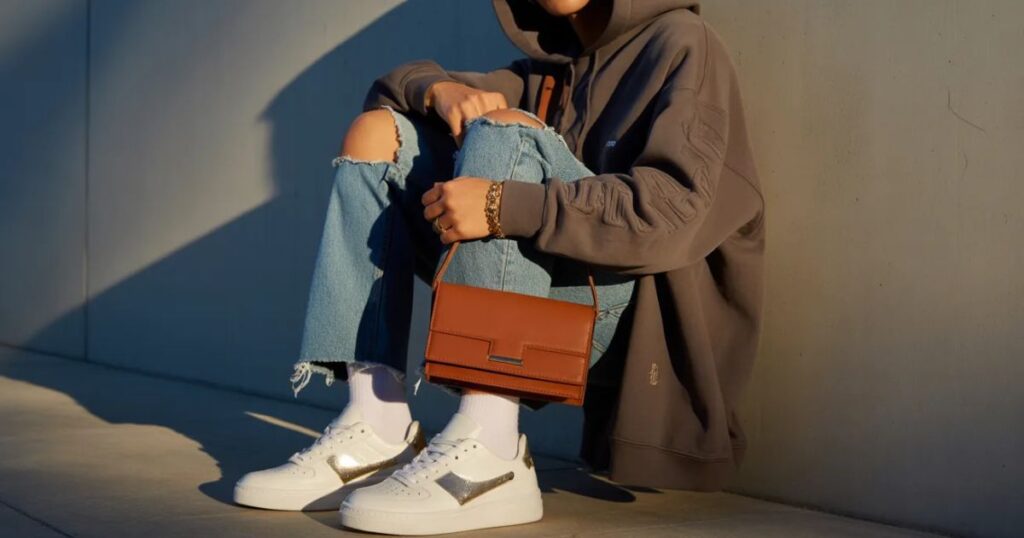
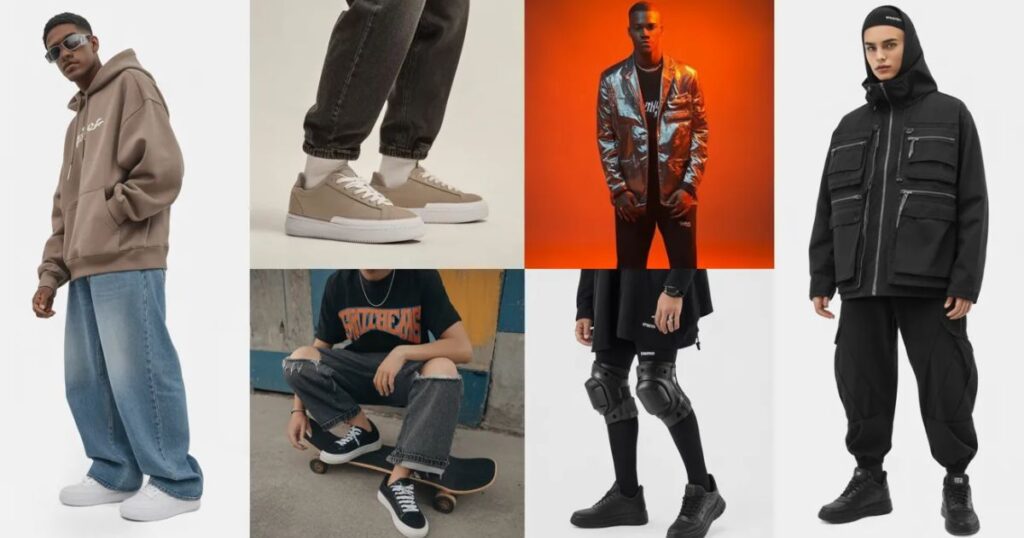
Streetwear is not one style. When brand owners talk about “streetwear,” they can mean a heavy skate hoodie, a technical shell jacket, a pair of track-inspired joggers or a limited graphic tee built around a single drop. Knowing the main types of streetwear helps you decide what your first collection should be, which fabrics and print methods it needs, and which manufacturer is set up to make it well. This guide breaks streetwear into four practical categories: skate-influenced, tech-focused, athletic and trend-driven. For each one, we cover the look, where it comes from and, most importantly for a brand owner, what it asks of the factory that produces it. Graphic t-shirts bring personality and attitude to everyday streetwear. Why streetwear splits into different types Streetwear grew out of city communities rather than design studios. Skaters needed clothes that could take falls and scrapes. Athletes and gym-goers wanted pieces that felt as comfortable off the court as on it. Music scenes and online culture pushed bold graphics and limited releases. Each group shaped its own version of the style, and those versions still exist side by side. For a brand, the lesson is simple: there is no single way to design or produce streetwear. A heavyweight boxy tee, a stretch jogger and a water-resistant utility jacket use different fabrics, different patterns and different sewing setups. Problems in production often start when a brand picks a factory that is strong in one category and assumes it can handle all of them. The four types of streetwear 1. Skate-influenced streetwear Skatewear is one of the oldest streams of streetwear. It is relaxed, layered and built to last. Think boxy tees, heavy hoodies, wide-leg pants and cargo pockets, often finished with simple graphics or a small logo. Key characteristics: Culture: the style comes straight from skate parks, where clothing has to survive hard use while still carrying the look of the scene. What it asks of production: strong seams, reinforcement at stress points such as pocket corners and knees, and fabrics that hold their shape after repeated washing. Prints need to bond well to heavier cotton so they do not crack with movement. A manufacturer should test fabric shrinkage and colorfastness before bulk cutting. Utility-inspired cargo pants redefine functional streetwear style. 2. Tech-focused streetwear Tech-focused streetwear mixes utility with clean, modern design. It draws on outdoor gear and city life, so it tends to look sharp and purposeful. Key characteristics: Culture: this style suits people who want clothes that work as hard as they do, with a look inspired by futurism and urban commuting. What it asks of production: precision. Fabric choice, accurate patterns and careful finishing matter more here than anywhere else, because a crooked pocket or uneven seam is obvious on a clean design. The factory needs to understand performance fabrics, how they behave under the needle and how trims such as zips and snaps are fitted. Our jackets and outerwear range shows the kind of construction this category relies on. 3. Athletic streetwear Athletic streetwear blends sportswear with everyday clothing. It does not give up comfort for style, or style for comfort. Key characteristics: Culture: the style comes from gym culture and active lifestyles, which gives it wide appeal. It works for movement and for casual wear, so it fits almost any setting. What it asks of production: flexibility in the fabric, moisture control where needed, and above all consistent sizing across every size in the run. Ribbed cuffs, waistbands and drawcords must be fitted evenly so the garment keeps its shape. See our tracksuits for examples of this category. Statement sneakers anchor this modern streetwear outfit. 4. Trend-driven streetwear Trend-driven streetwear is loud and visual. It often appears in small, limited collections and depends on strong graphics and clear brand messaging. Key characteristics: Culture: this style is shaped by music, pop culture and social media, where a single image can drive interest in a release. What it asks of production: accurate printing, careful color matching and good timing. Screen printing, 3D puff print, DTG and embroidery all have a place here, and each needs to be tested on the actual fabric. The manufacturer also needs to support small production runs so brands can release limited pieces without large stock. Our graphic tees are a common starting point for this category. Types of streetwear comparison table The table below summarizes how the four types of streetwear differ from a manufacturing point of view. Streetwear type Main focus Fabric priority Design approach Skate-influenced Durability Heavy cotton Relaxed and graphic Tech-focused Function Performance textiles Clean and modern Athletic Comfort Stretch fabrics Sport-influenced Trend-driven Visual impact Print-friendly materials Bold and expressive Choosing a manufacturer for your type of streetwear Not every streetwear factory understands every style. One may be strong in sportswear but weak on graphics. Another may print well but struggle with technical fabrics and trims. Before you commit, check that the manufacturer has made garments close to the type you want to sell. Questions worth asking: At Hussi Sports, we start by understanding the type of streetwear you want to make before any production begins. That lets us advise on fabric, construction and finishes that match your brand. Our factory in Sialkot handles cut and sew, printing, embroidery and specialty finishes such as acid wash and distressing under one roof, and you can see the full list on our services page. Orders start from 50 pieces per style, and physical samples take 7-10 days. Final thoughts Streetwear keeps changing, but self-expression and culture remain at its center. Understanding the four types of streetwear gives your brand focus: it tells you what to design, what fabrics to choose and what to look for in a production partner. Whether you are launching a first line or adding a new category to an existing brand, the right manufacturer is one that understands your type of streetwear from the fabric up. Frequently asked questions What are the four types of streetwear? The four main types