

Sneaker and streetwear culture shaped how a whole generation buys clothes. Limited drops, collaborations, resale markets and online communities all started here, and they now influence fashion far beyond sneakers. If you are planning a clothing brand, this culture is not background noise. It tells you how to plan collections, size your production runs, tell your story and build loyal customers. This guide breaks down what brand owners can learn from it and how to turn those lessons into practical decisions.
Where sneaker and streetwear culture comes from
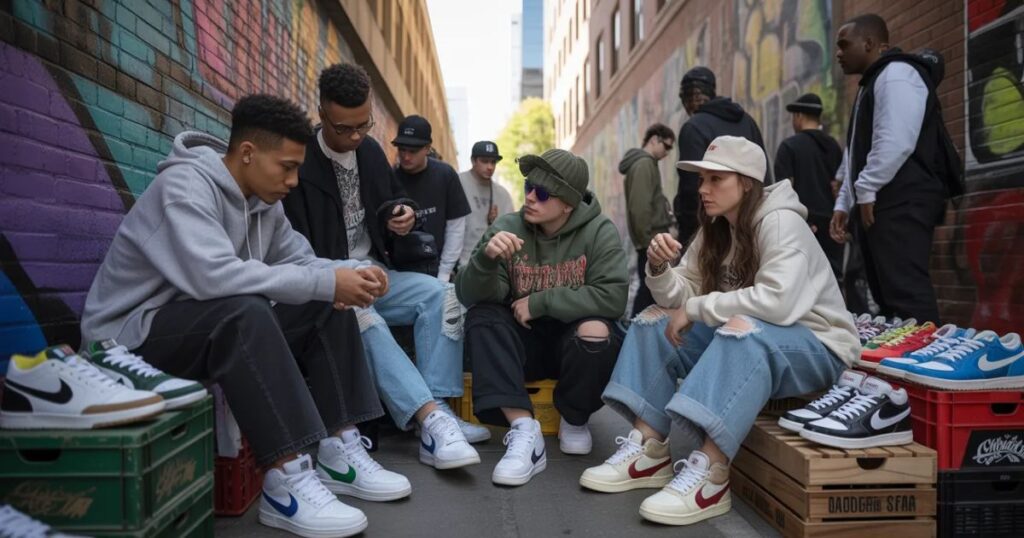
Streetwear grew out of skateboarding, surfing, hip hop and basketball. Small brands made clothes for their own scenes, and the people inside those scenes wore them as a sign of belonging. Basketball turned sneakers into a cultural object: signature shoes for star players in the 1980s made trainers something people collected, queued for and talked about.
Over time the two worlds merged. Sneakers became the anchor of an outfit, and hoodies, graphic tees, tracksuits and outerwear were built around them. Today the same habits that drive sneaker releases, such as limited quantities, hype around release days and a strong second-hand market, drive streetwear clothing too.
The key point for brand owners: customers are not only buying a garment. They are buying into a group, a story and a look that says something about them.
Five lessons brand owners should take from the culture
1. Authenticity beats hype
Hype can sell one drop. Authenticity keeps people coming back. Brands that last have a real connection to a scene, a city, a sport or a set of values, and their products reflect it. Before you design anything, write down who your brand is for and what it stands for. Every collection decision should trace back to that.
2. Scarcity is a planning tool, not a trick
Sneaker culture made the limited drop normal. Releasing small quantities creates urgency and protects the value of your product, because pieces do not end up discounted on a sale rail. For a new brand, small runs also reduce risk: you learn what sells before committing to big stock. Working with a manufacturer whose quantities start from 50 pieces per style makes this model practical.
3. Community is the real marketing channel
Streetwear spreads from the bottom up. Fans talk on Instagram, TikTok, Discord and Reddit, share fit pics and trade pieces. Brands that listen to their community, show behind-the-scenes content and reward early supporters build loyalty that paid ads cannot buy.
4. Collaborations build reach
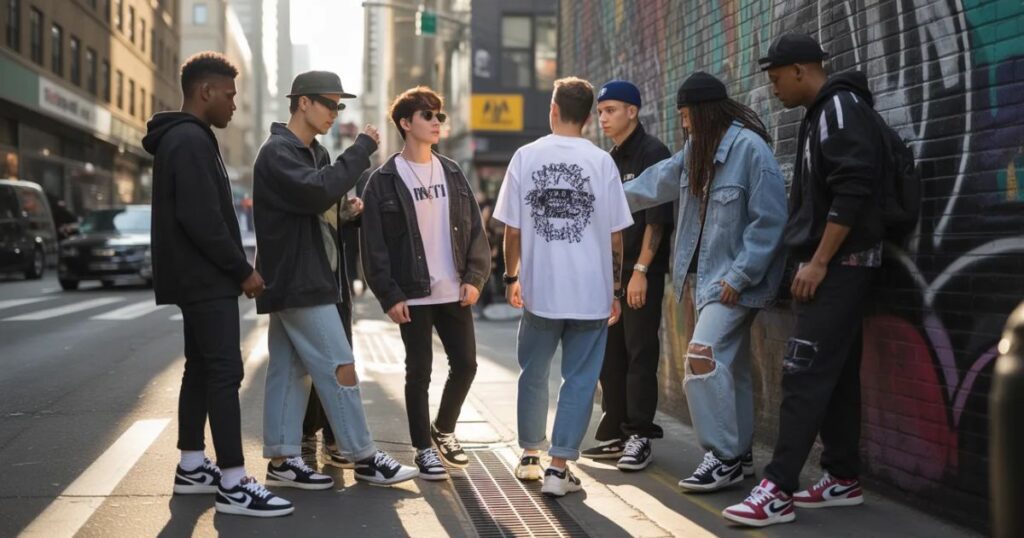
Collaborations between brands, artists, musicians and athletes are a core part of the culture. For a small brand, a collaboration does not need a celebrity. A local artist, a skate shop, a photographer or another small label can introduce you to a new audience and give a drop a story.
5. Quality now matters as much as the logo
As the market matures, customers expect more than a logo on a blank. Heavyweight fabrics, solid construction, good fits and detailed decoration are what separate a brand from a merch line. Pieces that hold up after many washes earn repeat customers.
Turning culture into a collection plan
Understanding the culture is useful only if it shapes what you make. Here is how the lessons above translate into decisions when you plan a collection.
Build around a few hero pieces
Most streetwear brands start with a small core: a heavyweight hoodie, a graphic tee and maybe a tracksuit or jacket. Focus on getting these right before expanding. Our hoodies and sweatshirts and tracksuits are common starting points for new labels.
Plan drops, not seasons
Instead of one big seasonal range, plan smaller drops through the year. Each drop can have its own theme, colorway or collaboration. Smaller drops keep your community engaged and let you react to what sells.
Use decoration to tell the story
Decoration is how your brand’s identity shows on the garment. Options include:
- Screen printing for bold graphics on larger runs.
- 3D puff print and puff embroidery for raised, textured logos.
- Chenille embroidery for a varsity or vintage feel.
- Rhinestones for Y2K and night-out styles.
- Acid wash, sun-faded and distressed finishes for a worn, vintage look.
Matching labels, hang tags and packaging finish the story. You can see all options on our services page.
Choose between blanks and custom production
There are two main ways to make product:
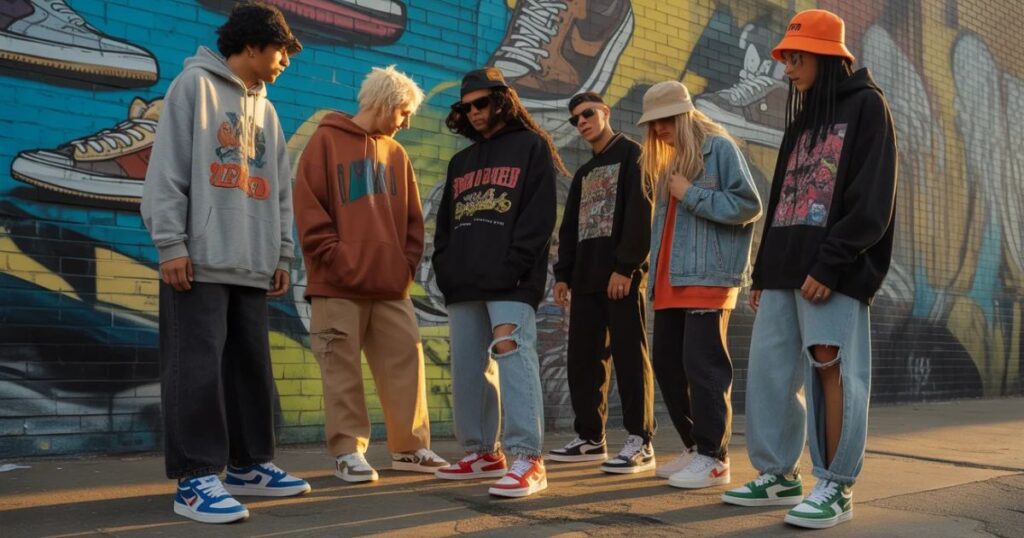
- Printing on blanks. You buy ready-made garments and decorate them. This is fast and low risk, but your fits and fabrics look like everyone else’s.
- Custom cut and sew. The garment is made from scratch to your pattern, fabric and measurements. This gives you unique silhouettes and full control of quality, which is how established streetwear brands build a signature fit.
The operational side: tech packs and samples
Culture gets people interested; production keeps your promises. To work with a manufacturer, you will need:
- A tech pack with technical drawings, measurements, fabric, colors, artwork placement and trims.
- A physical sample to check fit, fabric and print quality before bulk. At Hussi Sports, samples take 7-10 days.
- A clear approval process. Review the sample carefully, send all changes in one round, and keep the approved sample as your reference.
Once the sample is approved, bulk production runs with quality checks and ships by tracked DHL or FedEx.
Trends to watch when planning your next collections
Trends move quickly, but a few directions are worth watching:
- Slimmer, low-profile sneakers are back alongside chunky styles, which changes how trousers and tracksuit bottoms are cut and styled.
- Heavyweight basics keep growing as customers look for quality over quantity.
- Vintage finishes such as sun-faded and acid wash continue to suit the culture’s love of worn-in pieces.
- Supply chain transparency is something more customers ask about, so knowing exactly where and how your clothes are made is part of your brand story.
Frequently asked questions
Do I need to sell sneakers to be part of sneaker and streetwear culture?
No. Most streetwear brands sell clothing and accessories that are styled with sneakers. What matters is understanding the culture’s values and building your product and story around them.
How small can my first drop be?
With Hussi Sports, quantities start from 50 pieces per style. That lets you test designs with a limited drop, which also fits the scarcity model the culture is known for.
Should I start with blanks or custom manufacturing?
Blanks are quicker and cheaper to start with. Custom cut and sew gives you your own fit and fabric, which helps your brand stand out. Many brands start with a few custom hero pieces and grow from there.
How do I get a quote for my collection?
Send your designs or tech pack through our quote form. We reply within 24 hours.
Work with Hussi Sports
Ready to make your own collection? Hussi Sports manufactures custom hoodies and sweatshirts, custom tracksuits and custom T-shirts to your design in our Sialkot factory, with full printing and embroidery services and your own labels.
Get a free quote and we will reply within 24 hours. Quantities start from 50 pieces per style.