

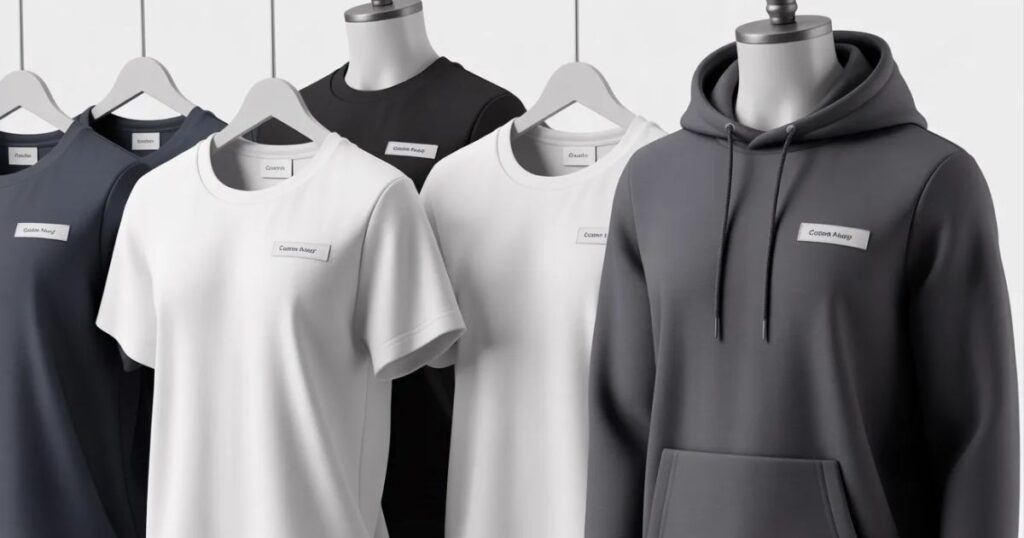
Private label clothing is a business strategy where a producer creates garments, but they are marketed under someone else’s brand name. In simple terms, you get the clothes made that are required, and the same clothes will be offered by another person under their own brand as if it were originally created by them. You are not the actual manufacturer, but you control the branding, marketing, pricing, and customer experience. The clothing carries your logo, your labels, your packaging, so for the customers, it may come as a surprise that the products are not basically originated from the brand itself.
How the Process Actually Works
Private labeling is usually a very straightforward process. First, you analyse your niche and understand your interests. Then you decide which types of clothes you should go for, they may be t-shirts, streetwear, modest clothes, baggy clothes, floral dresses, etc. Then you start finding a professional manufacturer that can design the clothes according to your niche.
Once you’re done finding the producer, you discuss details with him and have a relevant conversation regarding the types of clothes.This can include fabric type, stitching style, colors, printed tags, and packaging. You’ll probably be given a sample first which has to be approved by you. When approved, you place a bulk order. After the work has been done by the manufacturer, he ships the designed items to you.
From there, you start working on further processes like marketing, selling, etc.
Why So Many People Choose Private Label
One of the biggest advantages of private label clothing is the authority you have over your choices. You get to create an entire business of your own that runs according to you. That means you can decide whatever you want and change anything you like.
Another major benefit is higher profit margins. Since you’re selling products that are your own designed, it means that you can attract a greater audience with your creativity and if possible, increase the price range accordingly which will benefit you a lot.
Private labeling also allows for creativity. You assess your critical thinking and the way you build a particular item, how you style it and the way you attract people
Inconveniences a Beginner Might Face
Private label clothing does come with risks. One of the biggest challenges is the investment that the producers require at the very start. Manufacturers usually require a Minimum Order Quantity. That means you can’t order just five pieces, you need to order in bulk in large quantities like 100 or 500.
This creates a risk in future that what if the products just don’t sell. It might cause a major financial loss and considering the sentiments of a human, it may demotivate you.
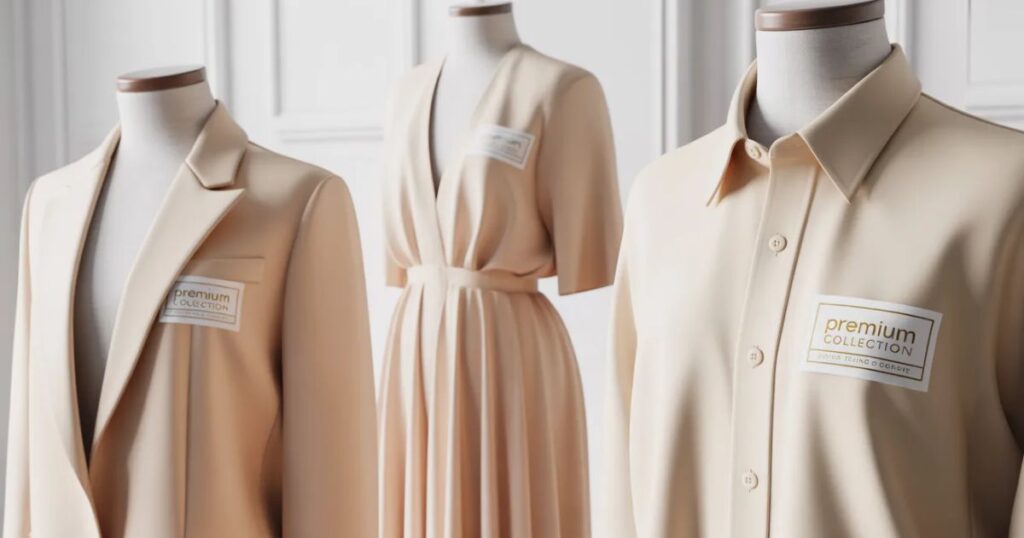
Quality control is another important factor. If the manufacturer does not synthesise the product correctly, it will definitely affect your own reputation. Even minor inconveniences can lead to a risk to your whole career. This is why sampling is important.
Cash flow management can also be a factor. You par for the orders before you sell it, so proper planning and management is very essential.
Listing of The Costs
Costs vary depending on country, fabric quality, customization level, and quantity. However some general costings are listed below:
Sampling: $100–$500 depending on complexity
Bulk production: Anywhere from $5–$30 per piece
Branding elements (labels, tags, packaging): $200–$1000
Website setup and branding design: $300–$2000
Marketing (ads, influencers, content creation): Flexible but important
Shipping and customs (if importing): Varies widely
If you’re launching a small collection, you might need between $1,000 and $5,000 to start responsibly. Larger, more professional launches require more capital.
Who Is Private Label Clothing Best For?
Private label clothing works well for the Entrepreneurs who want to build a fashion industry of their own, influencers who want to impress their audience and gain popularity, boutiques that wants exclusive collections, and small businesses that are ready to step up in this industry.
However, it may not be suitable for the persons who aren’t willing for any risk and cannot afford any loss.
What Makes a Private Label Brand Successful?
Success in private labeling isn’t restricted to manufacturing only, it is extended till an endless point. Creativity has no full stop hence, designing skills, problem solving skills, observations and understanding the trends, are never bound under any circumstance. What makes strong brands popular is the way they understand their audience and what it really wants to see from the brand.
Consistency is the key. Everything takes time and no one is perfect enough to highlight the shortcuts that early. So being disappointed never works but staying consistent and believing in yourself actually does.
Final Thoughts
Private label clothing can be a very worthy model of business if approached strategically. Hussi sports offers the freedom to choose and brand meanwhile also requiring mind thinking skills and patience.
There’s no such shortcut to achieve the high profile at the start, but you may even cross the strong brands if you understand the mechanism.
In conclusion, Private label clothing is a method of transforming visions into tangible products. You’re not just building a business but a mindset of branding that can make up complete future of yours.