

The street wear phenomenon has also grown beyond mere clothing to the mindset, creativity, and statement that comes out within the younger generation. Types of Streetwear As the industry is also rapidly evolving, a number of startups find it rather hard to decide on their lineup as well as find a manufacturer that understands their vision. This is because there is more than one style within the street wear industry.

Streetwear can be categorized into four basic fashion styles, each requiring different production processes. Some require loose fitting garments and ease of manufacture, while others require materials for functionality, comfort driven designs, or aesthetic expressions. This has been one of the areas where many clothing manufacturers have encountered set backs, given not all factories can produce all styles.
At HussiSports, we produce streetwear clothing for a purpose of understanding each clothing style and its respective materials, construction process, and finish to ensure support for creative and sustainable growth.
Content Overview:
- Streetwear Culture: An Illustrated Guide
- Why Streetwear Comes in Multiple Styles
- Skate Board Inspired Streetwear
- Tech Focused Streetwear
- Sports Based Streetwear
- Trend Driven Streetwear
- Streetwear types comparison table
- Selecting the Suitable Manufacturer
- Conclusion
Introduction to the Culture of Streetwear
Streetwear culture is more than just garments. This culture is a form of music, art, motion, and attitude. This enables individuals to express who they are without having to follow the rules of fashion. Later on, streetwear culture diverged into several other streams. For brands, this trend has one very clear message. No single method works for all streetwear brands. There are different attitudes towards design and manufacturing for different categories.
Why Does Streetwear Have Numerous Styles?
Streetwear started being created in the street fashion culture that originated in cities and communities. Skaters required rugged clothing that could withstand their activities. Sports personalities also looked for clothing that assured them of comfort away from the sports ground. These are some of the key factors that led to the development of different forms of streetwear.
Normally, understanding these differences helps prevent common pitfalls during production for brands, thus allowing suppliers such as HussiSports to provide better outcomes.
1. Skateboard Influenced Streetwear:
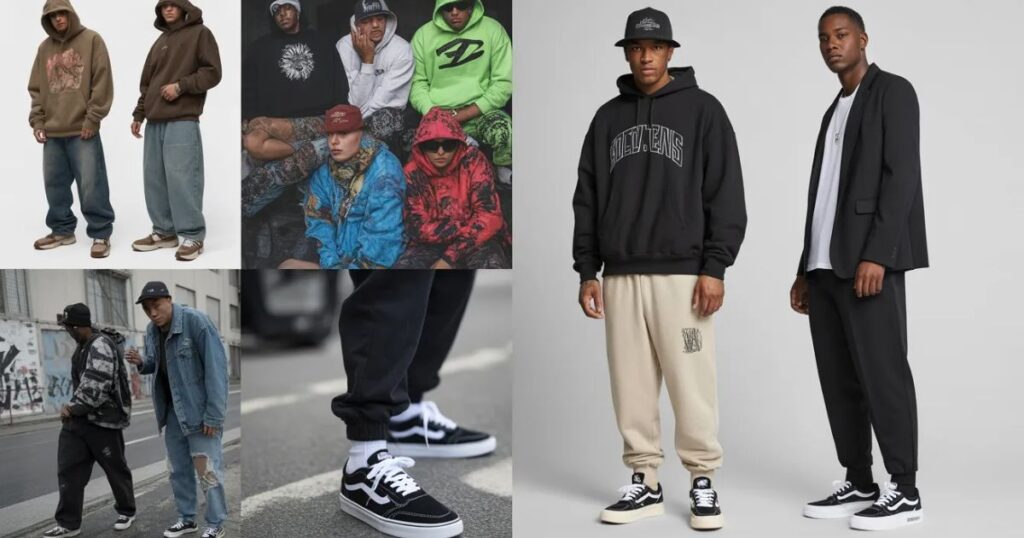
Skatewear fashion trends are considered to be one of the oldest among the streetwear fashion trends. Skatewear fashion style is all about comfort, quality, and flexibility. Skatewear clothing is associated with the world of
Main Features:
- Casual wear, layering, and fast fashion.
- Durable Cotton Fabrics.
- The cargo pocket and wide leg jeans.
Social Impact:
This is skatepark inspired. Clothing needs a degree of resilience in use coupled with a strong design focus.
Creation Requirements:
Skatewear needs robust stitching, mesh fabric, and prints that hold up well to the ink application process. The HussiSports online store edition of this category requires fabric immersion tests and the implementation of reinforcement.
2. Tech Focused Streetwear:
Tech based streetwear fuses innovative design with utility. Inspiration comes from the poles of innovation and urban life associated with functional designs.
Key Characteristics:
- Clean cut silhouettes.
- Utility pockets and adjustable elements.
- Weather suitable fabrics.
Black vs Dark colored Clothing.
Social Impact:
This fashion design seems to target those with personalities who are likely to have this goal oriented fashion approach. The likely inspiration for this fashion comes from city and futurism styles.
Manufacturing Requirements:
Precision is an important factor here. Fabric choice, accuracy of cut patterns, and good finishing are all important factors and carry immense weightage here. It is important that the manufacturer is fully aware of performance fabrics and construction details.
3. Streetwear Based on Athletics:
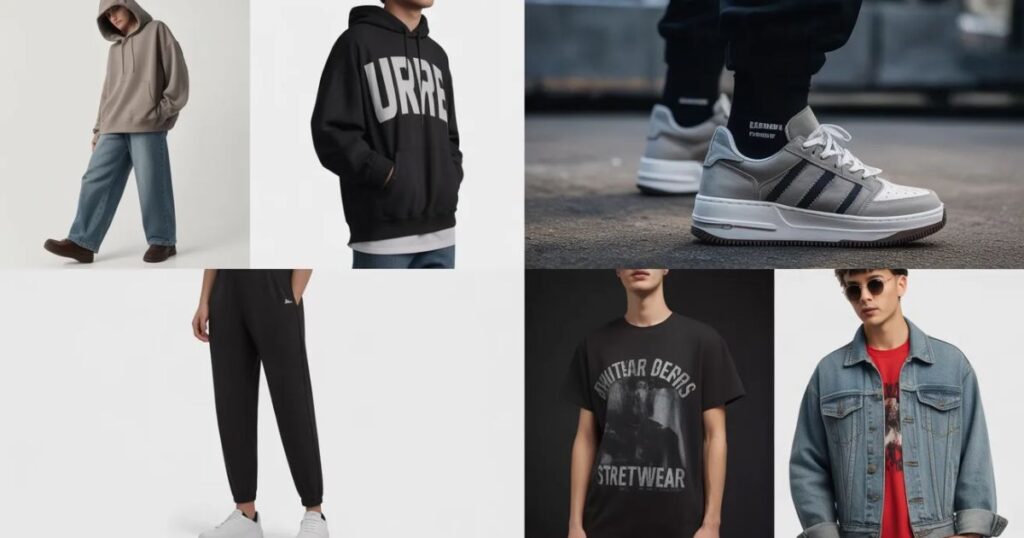
Athletic streetwear is a mixture of sportswear with everyday wear. It does not sacrifice comfort for fashion or vice versa.
Key Characteristics:
- Track inspired/ joggers bottoms.
- Stretchable fabrics.
- Windbreakers.
- Comfortable fits.
Social Impact:
This is fashion style design that appears to lean more towards people who tend to be goal oriented types when it comes to fashion. Cultural Influence.This appealed to the mass audience with a tone which originated from the gym culture or active lifestyles This will fit any setting whether it targets movement or casual wear.
Manufacturing Requirements:
This category requires flexibility, moisture control fabrics, and consistent sizing. Comfort is what HussiSports focuses on as a manufacturer, but without compromising looks.
4. Trends Driven Streetwear:
Trend led streetwear is loud, communicative, and typically restricted in distribution. It is all about visuals and brand delivery.
Key Characteristics:
- Graphs of statements.
- Logo centered designs.
- Small collections.
- Oversized Silhouette.
Social Impact:
It is a style influenced by music and popular culture and used on social networking sites. The style has a very moving narration.
Manufacturing Requirements:
Printing accuracy, color keying, and timing requires great precision. There needs to be support for small production runs and short production cycles.
Streetwear types comparison table:
| Streetwear Type | Main Focus | Fabric Priority | Design Approach |
| Skateboard Influenced | Durability | Heavy cotton | Relaxed & Graphic |
| Tech Focused | Function | Performance textiles | Clean and modern | |
| Athletics Based | Comfort | Stretch fabrics | Sport influenced |
| Trends Driven Streetwear | Visual impact | Print friendly materials | Bold and expressive |
Selecting The Best Manufacturer:
All Wearable Technology Streetwear factories do not understand all the designs. One company might be good at sportswear but not at graphics. Another might be capable of working with graphics but not with functional materials.
At HussiSports, we begin by understanding your industry before any production starts. This allows us to advise on fabric types, methodologies for construction, and finishes guided by your desired outcomes for your brand.
Final Thoughts:
Streetwear is constantly improving, and at the heart of it is still self-expression and culture. Understanding the four types of streetwear will give businesses focus and direction. More than that, it will aid in choosing the right manufacturer to work with.
Whether you’re launching your first line or adding to a brand you already have, partnering with a company that understands the sport from the bottom up is a game-changer.
At HussiSports, the goal is to assist brands in bringing creative design concepts to life through the development of quality streetwear.
Frequently FAQs:
1. Is street wear unifying across generations?
Yes, street wear applies to every age group, as the design can always be adapted to one’s desire.
2. How much investment does a streetwear brand need?
The prices are based on fabric material and quantity, as well as the complexity of designs; however, most manufacturers start off with small orders for production.
3. Is small scale production of streetwear possible?
Yes, most of the manufacturers provide allowance for low order volume, which is quite helpful in testing the designs in the market.
4. What types of fabric can be expected within the streetwear design trend?
Cotton, mix, or stretch fabrics have been abundantly used.
5. Do not think that streetwear takes a long time to be produced.
The time taken to produce a piece depends on the design and the quantity that is produced, but normally it takes weeks from sample development up to the time of delivery.
6. The significance of custom branding in regards to streetwear labels?
One of the most important factors in this regard is branding, wherein logos, labeling, and packaging are involved in consumer recognition and acquisition of their trust.
7. Can the manufacturing of streetwear be done for the global market?
Yes, many manufacturers produce under specifications for sizing and quality needed around the world.
8. How do trends affect the production of streetwear?
Colors, fits, and designs all take cues from trends, hence the reason why flexible manufacturing is essential to brands.
9. What should be paid attention to by brands before choosing a manufacturer?
Besides the quote, it is necessary to consider fabric quality, past work, communication style, and production consistency.
10. Can a manufacturer help raise the level of product quality?
This being said, an experienced producer can always guide brands on better materials that can be used, ways of construction, and techniques for finishing.